

























































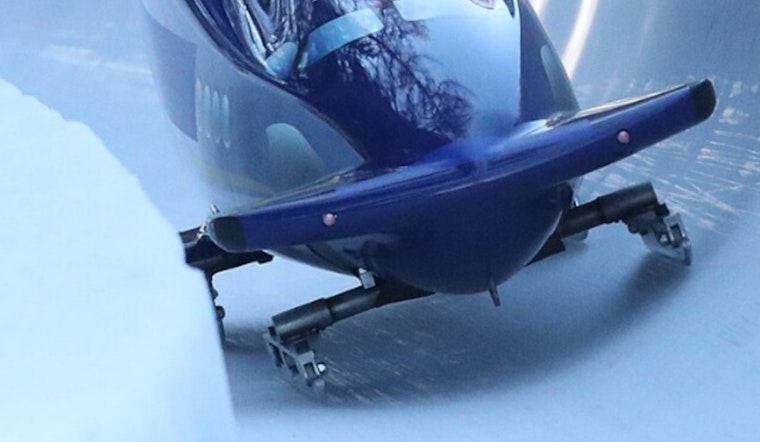
Three former U.S. sled athletes have filed three lawsuits in Los Angeles, accusing USA Bobsled and other Olympic organizations of concealing the long-term brain risks associated with bobsled and skeleton. The condition, a mix of symptoms athletes call "sled head," is at the center of the complaints brought by former Team USA bobsledder William Person, and later joined by Joe Sisson and Rick Baird. They say years of violent jolts, crashes, and high-G runs left them with chronic headaches, memory problems, and signs of neurodegeneration, and they are seeking damages along with stronger monitoring and care for current and former sled athletes.
As reported by the Los Angeles Times, Person, who competed internationally from 1999 through 2007, filed a complaint in Los Angeles County Superior Court alleging a traumatic brain injury and a latent neurodegenerative disease. The Times notes that Sisson and Baird each filed separate personal-injury suits, and that the complaints name USA Bobsled/Skeleton, the U.S. Olympic and Paralympic Committee, coach Tracy Lamb, and the Anschutz Southern California Sports Complex, which owns the Home Depot Center training venue. According to the same reporting, defendants had not yet been served at the time of publication and, once served, would have 30 days to respond under court rules.
The person has been chasing relief in the courts for years. His 2021 action sought a medical-monitoring program for former sledders, and parts of his claims have been allowed to move forward, according to Sports Litigation Alert. In the latest filings, the lawsuits use the term "sled head" for a pattern of headaches, fogginess, vertigo, blackouts, and chronic pain that plaintiffs say stems from repeated microtrauma on rough ice and in crashes. Attorneys Kamau Edwards and Christopher Perry, named in the new complaints, say they are pursuing separate monetary damages for each plaintiff instead of a single shared fund.
Plaintiffs also point to the death of Pavle "Pauly" Jovanovic, a former U.S. bobsledder who died by suicide in 2020 and was later found to have CTE, as evidence of sled sport’s potential long-term dangers, reporting by The New York Times has shown. That posthumous diagnosis, reviewed by Boston University neuropathologists in earlier coverage, along with other high-profile brain-injury cases, has helped increase pressure on federations and researchers to take sled-sport brain health more seriously. The plaintiffs say those warning signs should have translated into stronger disclosures, ongoing monitoring, and better care from governing bodies.
What the lawsuits allege
The new complaints raise negligence, failure-to-warn, and fraudulent-concealment claims and seek court orders requiring monitoring, treatment, or compensation for affected athletes, according to Courthouse News Service's reporting on related litigation. If the suits clear early procedural hurdles, the plaintiffs could gain broad discovery into safety rules, medical exams, and internal communications at both national and venue levels. That prospect turns what has mostly been an internal safety debate into a very public legal fight that could reshape how sled sports are run in the United States.
Athletes say they were left in the dark
"I've got survivor's guilt big time," Sisson told the Los Angeles Times. The plaintiffs describe being pushed back into sleds after violent runs with little follow-up beyond short-term checks, and with virtually no long-term neurological testing. Through the courts, they want a formal system to track brain health and other outcomes over time. By naming the Southern California training complex and an individual coach, the suits also shift attention from federation policies alone to the places and people who oversee elite training sessions on the ground.
Safety fixes and the wider picture
On the engineering front, safety groups are already experimenting with equipment-level solutions. The Allianz Center for Technology and Germany's bobsleigh federation recently showcased new head-impact protection and restraint concepts meant to soften the worst shocks in a crash, according to an Allianz media release. The systems are still in testing and would need federation approval, but they highlight how reducing long-term risk may require both smarter design and better medical oversight. The plaintiffs' lawyers argue that litigation could accelerate those reforms if federations and venues are forced to turn over internal safety data.
For now, the cases are in their early stages. The filings have been lodged in Los Angeles County courts, and the athletes say they plan to push for discovery and damages as the litigation unfolds. The next milestones to watch are the service of the complaints and the defendants' initial answers, which will set the schedule for motions, discovery, and any potential settlement talks.





_by_Sandro_Halank%E2%80%93015.jpg)