

























































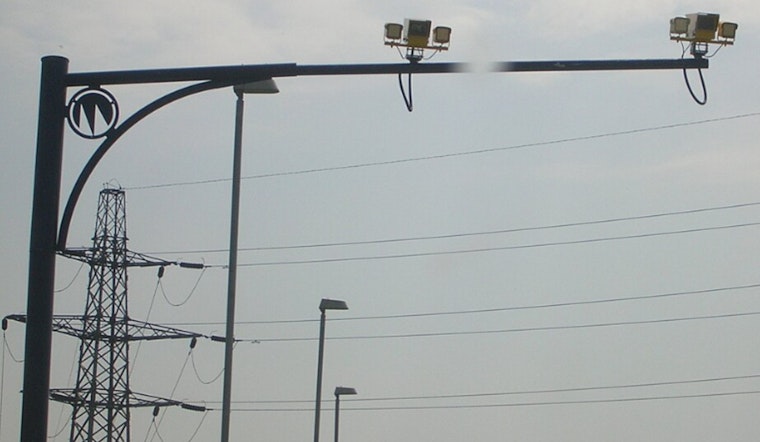
Los Angeles is gearing up to drop 125 automated speed-safety cameras on its streets, a sprawling pilot program city officials say is designed to tamp down on high-speed crashes, not pad the budget. If approved, enforcement is slated to kick in around late summer or fall 2026, following a required 30-day public review. The Department of Transportation says it plans to focus first on corridors with repeat speed-related collisions and on streets near schools and senior centers. The plan is already dividing residents, with safety advocates cheering the move and critics warning it could quickly turn into a ticket machine.
How the sites were chosen and what they cost
LADOT’s Impact Report describes a data-heavy selection process that scored 7,271 street segments inside Priority Safety Corridors, then whittled that list down to 125 proposed camera sites, with two cameras per segment so both directions are covered, according to LADOT. The same report pegs estimated annual operating costs at about $7.95 million: roughly $1.2 million for staff and $6.75 million for equipment and vendor contracts, plus a one-time startup cost of about $500,000. To get the hardware up and running faster, LADOT recommends piggybacking on another city’s existing vendor contract so Los Angeles can skip a lengthy bidding process.
Fines, the law, and where the money must go
Under state law AB 645, the civil penalty schedule for automated speed tickets is set in advance: $50 for driving 11–15 mph over the limit, $100 for 16–25 mph, $200 for 26 mph or more over, and $500 if a driver is clocked at 100 mph or higher, according to AB 645. The law makes clear these are civil violations only, with no DMV points added. It also dictates how the money is used: revenue must first cover program costs, and any extra has to be spent on traffic-calming improvements within three years. AB 645 also bakes in public notice requirements, a warning period when a camera first goes live, and income-based reduction or diversion options for people who qualify.
Public review and local reaction
LADOT opened a 30-day public review period in February and rolled out a citywide map of the planned locations so residents can see if their block is on the list. Neighborhood groups and City Council offices have been invited to weigh in on the proposed sites, according to Streetsblog Los Angeles. Supporters argue that cameras are one of the fastest ways to get measurable reductions in dangerous speeding. Community and civil-liberties advocates counter that the rollout will need strict guardrails on privacy, equity, and appeal rights if it is going to earn public trust.
What early pilots show
Early results from other California pilots are fueling the debate. In San Francisco, officials reported about a 72% drop in speeding on monitored corridors in the first months of that city’s program, a number vendors and city reports have been quick to highlight as proof that behavior can change quickly. Companies in the space, including Verra Mobility, point to those early safety gains and say enforcement volumes typically fall after the initial shock wears off and drivers adjust their habits, according to the company’s public materials.
Revenue scenarios and critics
Those same enforcement numbers are now being used to sketch out how much money a Los Angeles version might pull in. An analysis cited by the New York Post took San Francisco’s early results and scaled them up for L.A., producing scenarios in which the pilot generates millions of dollars each year depending on how many tickets are issued. Skeptics say that is exactly the problem. As one analyst told the outlet, “the biggest problem with these programs is that they always devolve into a revenue generation program as opposed to a safety program.”
What happens next
The Impact Report and Use Policy are now on the table for public review as the City Council prepares to weigh in. If the council signs off, LADOT expects to lock in a vendor, then start installing cameras in phases, with a 60-day warning period before any citations are mailed out. Residents who want to dig into the technical details or submit feedback can track the program through the city’s project page and their council office as the department finalizes contracts and hammers out its outreach plans.





