

























































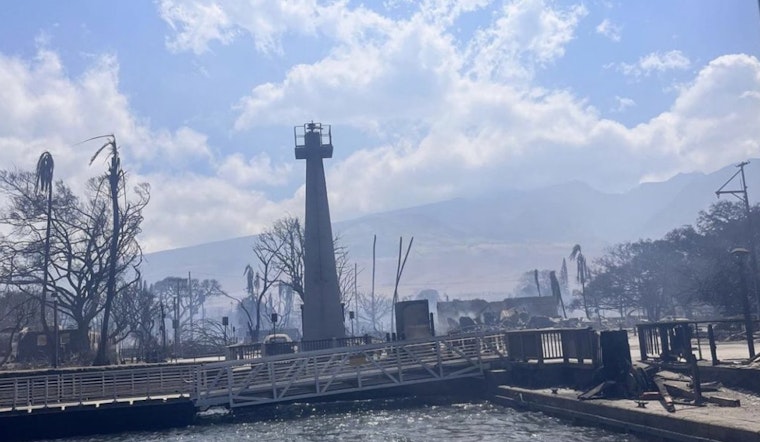
A Native Hawaiian family in Lahaina is taking the state of Hawaiʻi and a local landowner to court, saying their ancestors’ remains were effectively chewed up in the rush to clean up after the August 8, 2023 wildfire. The lawsuit claims ancestral bones exposed by the blaze were disturbed and mostly destroyed during post‑fire cleanup, and it asks a Maui judge to stop any more ground‑altering work at the site, award damages, and force the state to formally register and protect the burial areas.
According to the court complaint filed March 2 in Second Circuit Court, landowner Brian Acason allegedly authorized machine excavation on January 3, 2025, even after FEMA‑contracted archaeologists had already photographed and flagged newly exposed burial sites and advised that any work in the area be done by hand. The filing says the contractor’s heavy equipment damaged or destroyed about 90% of the burial sites that were uncovered in 2023 and cites a Division of Conservation and Resources Enforcement investigation that concluded the activity amounted to desecration.
As reported by Honolulu Civil Beat, the Native Hawaiian Legal Corporation is representing the Kimokeo family, which says it has cared for iwi kūpuna on the Paeohi land for generations. Civil Beat notes that Acason declined to comment. Its reporting also lays out a tight timeline of registration efforts and administrative complaints the family lodged after the wildfire exposed the burials.
What the Lawsuit Is Pushing For
The Native Hawaiian Legal Corporation says the suit is not just about calling out what already happened, but about locking in protections for what is left. The complaint seeks civil penalties and damages, and it asks the court to bar any future construction, landscaping, or other ground‑altering work on the Paeohi property until the State Historic Preservation Division, or SHPD, formally registers the newly identified burial sites and completes a burial treatment and protection plan.
In a blog post, the Native Hawaiian Legal Corporation outlines several counts. They include an alleged breach of fiduciary duty by SHPD, a desecration claim under state law against the landowner, and a constitutional claim arguing the state failed to protect the family’s customary rights tied to caring for iwi kūpuna.
State Agencies and the Burial Council
State records show the Paeohi matter has already landed on the agenda of the Maui Lānaʻi Island Burial Council, with SHPD staff preparing meeting packets that recommended recognizing several descendancy claims connected to the Paeohi property. The SHPD materials include descendancy documentation, site visit notes, and correspondence related to the burial sites at issue.
Similar Cases and a Statewide Pattern
Advocates and attorneys say the Kimokeo complaint fits into a broader trend in Hawaiʻi, where development projects and disaster‑recovery work keep colliding with unmarked burial grounds. Earlier reporting detailed a 2025 case on Oʻahu in which heavy equipment reportedly pulverized multiple sets of remains and sparked both state investigations and legal action, highlighting the recurring friction between clearing land quickly and protecting iwi kūpuna.
Legal Stakes
The lawsuit alleges violations of Hawaiʻi’s burial protection laws, including HRS § 6E‑11 and related provisions, and it invokes Article XII, Section 7 of the Hawaiʻi Constitution to argue the state failed to safeguard the family’s traditional practice of mālama iwi kūpuna. The plaintiffs are asking the court to order SHPD to register the newly identified sites, to require the state to bring the Division of Conservation and Resources Enforcement’s findings forward for final disposition, and to impose penalties or other relief against the landowner.
The case is filed as ʻOhana Kimokeo v. State of Hawaiʻi; Brian Acason, Civil No. 2CCV‑26‑0000069, and is pending in Second Circuit Court. The family’s attorneys say they turned to litigation only after administrative steps, including registration requests, an ombudsman complaint, and multiple Burial Council meetings, failed to produce final action to secure the burials.
For ʻOhana Kimokeo, the fight is ultimately about restoring formal protections so they can continue caring for their ancestors without bracing for the next round of excavation. The complaint, and the state documents it leans on, set up a legal test of how post‑disaster cleanup, private property decisions, and the state’s preservation duties will be balanced in the courtroom and before SHPD and the Burial Council.



