

























































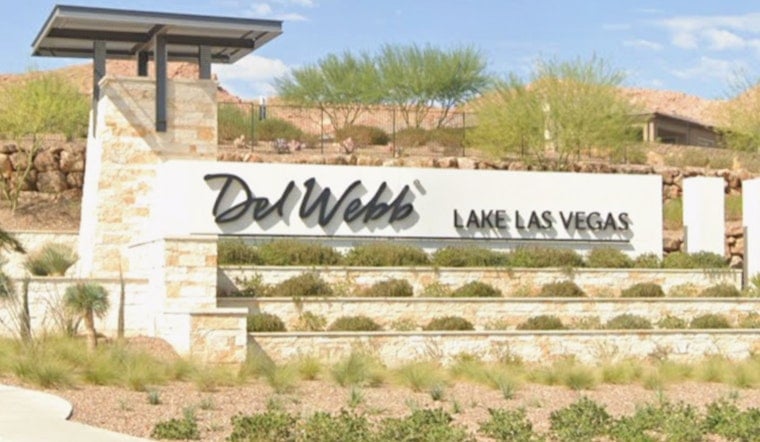
What was supposed to be a quiet, resort-style retirement at Del Webb at Lake Las Vegas has turned into a high-stakes legal fight, as homeowners and their association head to court claiming their multimillion-dollar houses and shared infrastructure are literally sinking and cracking beneath them. A Clark County judge is set to weigh in on Monday, March 30, 2026, deciding whether the dispute with builder PulteGroup plays out in open court or gets diverted behind closed doors into private arbitration. Residents say separating patios, gapped thresholds and bowed walls have turned simple chores into obstacle courses, and the once serene 55-plus enclave has become a legal flashpoint for people who paid top dollar for stability and lake views.
Arbitration Fight Arrives In Court
According to FOX5, homeowners and the HOA first went through Nevada's Chapter 40 pre-litigation process, but say mediation with PulteGroup went nowhere, so they filed in court. In its filings, Pulte points to the community's CC&Rs and individual home purchase agreements, arguing those documents require disputes to go to arbitration instead of a jury trial. The HOA and several homeowners counter that they should be allowed to sue in court. Monday's hearing will determine whether the showdown continues in a public Clark County courtroom or is pushed into a private arbitration setting.
Residents Describe Shifting Slopes And Damage
Court documents reviewed by FOX5 include a geotechnical assessment that warns adding water could cause the slope and a rockery retaining wall to move substantially or even fail. Residents say that kind of movement is already showing up in the neighborhood, with cracked curbs, streets and yards visible across the community. Homeowners told the station they can see gaps opening at foundations and that some houses have noticeably pulled away from patios and nearby retaining features. According to the HOA's attorney, the alleged defects are spread through the development and affect dozens of properties rather than a few isolated homes.
How Nevada's Chapter 40 Process Works
Per the Nevada Legislature, NRS Chapter 40 lays out a pre-suit "right to repair" system that requires homeowners to give written notice, allow inspections and participate in mediation before they can file a construction defect lawsuit. The point is to give builders a chance to investigate and repair alleged problems before everyone heads to court. If those statutory steps are skipped, a court can delay or even dismiss a case, which is why the Lake Las Vegas homeowners went through Chapter 40 before suing. The judge's ruling will hinge in part on whether that process was properly followed and on how the CC&Rs are interpreted regarding whether individual owners are actually bound to arbitrate.
Builder Background And Neighborhood Context
Del Webb at Lake Las Vegas is marketed as an active-adult (55-plus) neighborhood inside the larger Lake Las Vegas master-planned community, and community materials show it is a sizable development that is still selling new units. Homeowners there point to PulteGroup's history of dispute resolution in other states as part of their concern. In Florida, the Attorney General set up a claims process and settlement that required Pulte to pay for repairs and reimburse some homeowners for stucco-related problems, according to the Florida Attorney General.
What Comes Next For Homeowners
On Monday, the court will decide whether the case stays in Clark County District Court or is diverted into arbitration, a procedural call that will shape how fast things move and how much the public ever gets to see. If the judge lets the lawsuits proceed, attorneys for the homeowners say they plan to press for concrete repair plans and firm timelines. If arbitration is ordered, the parties could be looking at a slower, confidential process with limited public visibility. For now, residents say their main concern is not the legal theater but the ground under their feet, and they want it stabilized before more damage or injuries occur.





