

























































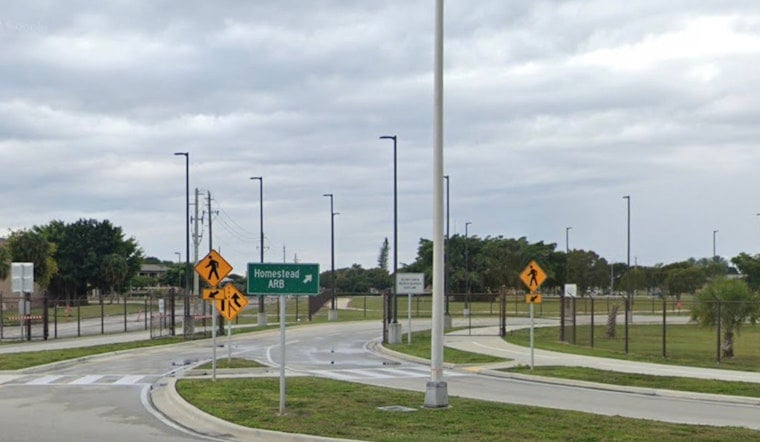
Development near Homestead Air Reserve Base just hit a hard ceiling. The Compatible Lands Foundation (CLF) says it has finalized a restrictive-use easement on land directly next to the installation, locking in long-term limits on how that property can be used in areas the base flags as critical for flight training, explosives handling and accident-potential zones. The agreement covers multiple nearby parcels - roughly 11 in all, totaling about 59.5 acres - and places explicit limits on people‑intensive uses and tall structures on a 16.9‑acre tract closest to aircraft corridors. CLF and local partners say the deal is all about keeping jets training and jobs flowing, preserving thousands of positions and hundreds of millions of dollars in annual economic activity tied to the base and surrounding commerce.
What the easement does
According to a press release carried by the South Florida Business Journal, the restrictive-use easement shuts the door on people‑intensive development and tall structures on the 16.9‑acre parcel closest to the runways and cleans up compatibility concerns across eight additional nearby properties. CLF will be responsible for monitoring and enforcing the covenant, and the release puts the total footprint of the affected parcels at about 59.5 acres. The restrictions are designed to cut down on noise complaints, protect explosive‑ordnance handling areas and keep training flight paths clear of buildings and crowds.
Funding and partners
The transaction did not happen on goodwill alone. It was financed with help from the Department of Defense Readiness and Environmental Protection Integration program and Florida’s Defense Infrastructure Grant program, with local organizations pitching in on the application side. A fact sheet from the Department of Defense REPI program explains how conservation easements are used to preserve open lands and limit incompatible development around airfields (DOD REPI). State materials describe how the Florida Defense Infrastructure Grant program backs infrastructure and compatibility projects in military communities (FloridaJobs). Miami‑Dade County’s encroachment‑management packet, which authorized adding CLF as an eligible partner, notes that the county will also keep an eye on these easements through its Purchase of Development Rights and Environmentally Endangered Lands programs (Miami‑Dade County).
Why it matters to the local economy
Homestead ARB is not just background noise overhead. Its Air Installations Compatible Use Zones study reports that the base conducts low‑altitude and nighttime training and contributes “hundreds of millions” of dollars to the regional economy, supporting thousands of jobs tied to defense spending (Homestead ARB AICUZ). Organizers behind the easement peg the local impact more specifically at about $390 million in annual economic activity and more than 4,000 Florida jobs they say are protected by keeping nearby land uses compatible, figures provided in the press release.
Who signed on
Compatible Lands Foundation led the talks with willing landowners and will help administer and enforce the easement going forward, according to the nonprofit’s Homestead project page (Compatible Lands Foundation). County filings and state corporate records show that parcels tied to Homestead Commerce Center LLC, managed by Daniel Abreu, were among the properties addressed in those negotiations (Florida Division of Corporations).
What’s next
Miami‑Dade County and CLF say they are not treating this as a one‑and‑done deal. Both plan to continue outreach to other willing owners in the surrounding area to secure similar protections where they are needed, and the county’s encroachment‑management approach requires ongoing monitoring and audits to make sure the rules stick. Officials argue that spelling out exactly what is allowed near the flight paths gives clarity to everyone, a setup they say lets industrial and agricultural projects move ahead while keeping homes and other crowd‑generating uses out of the zones the base considers highest risk.



