

























































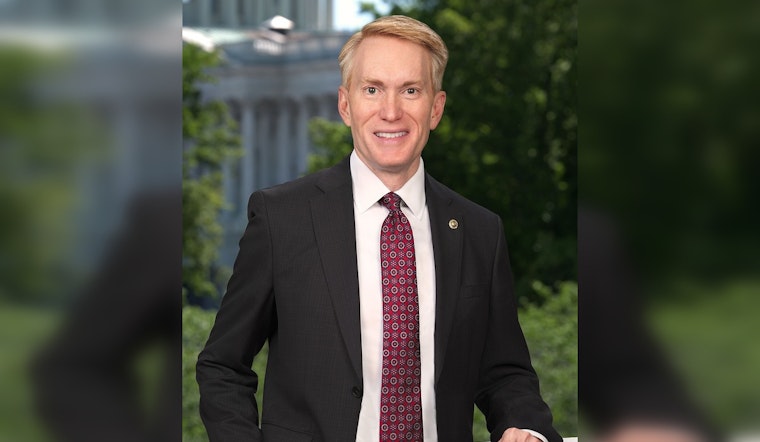
Standing in Oklahoma City on Wednesday, Sen. James Lankford backed Oklahoma's latest voter-roll cleanups, saying state officials are trying to walk a line between keeping the lists accurate and keeping the ballot box open to eligible voters. He also said he is drafting amendments to the federal SAVE Act that he says would protect married women who change their names and tighten verification of mail-in ballots.
What Lankford said
Speaking at an event in Oklahoma City, Lankford laid out the changes he wants in the Safeguard American Voter Eligibility Act, or SAVE Act. He described new language he says is intended to avoid "unintended consequences" for voters who change their names and to strengthen checks on mail ballots. His comments and his description of the draft amendments were reported by KFOR.
Oklahoma law and the jury-duty provision
A 2023 Oklahoma law, SB377, added one more way a voter registration can be canceled: if a person is excused from jury duty because they say they are not a U.S. citizen. The law also requires county court clerks to send monthly lists of those names to county election boards. The enrolled version of the statute spells out the steps counties must follow before canceling a registration, according to the Oklahoma Legislature.
What the SAVE Act would change
The federal SAVE Act would require documentary proof of U.S. citizenship to sign up for federal elections and would layer on strict photo-ID and mail-ballot rules, according to Congress.gov. Analysts cited by the National Conference of State Legislatures say those mandates could push states to redesign their registration systems or run separate processes for voters who lack the required documents, a scenario outlined by NCSL.
Federal oversight and the numbers
The Justice Department's nationwide effort to collect unredacted voter files has so far uncovered only a tiny number of confirmed noncitizen votes that DOJ officials describe as "dozens" out of roughly 680 million ballots cast in recent national elections, Democracy Docket reports. At the same time, DOJ has sued more than 20 states, including Oklahoma, for refusing to hand over sensitive voter identifiers, according to a tracker maintained by the Brennan Center.
State officials defend the cleanups
Oklahoma election officials argue that roll maintenance is narrowly focused on specific problems and is carried out under clear state-law procedures. Secretary Paul Ziriax has told reporters it is a "serious crime" for an unqualified applicant to lie under oath in order to register, and local coverage shows the state has removed registrations tied to jury-duty dismissals as part of that work, according to KFOR. Lankford also stressed that "we want all Americans to vote," even as he backs extra verification in certain parts of the process.
Critics warn of collateral damage
Voting-rights groups and multiple state attorneys general warn that the SAVE Act's documentary requirements could end up sidelining eligible voters who do not have easy access to passports or birth certificates, according to NCSL. A multistate letter led by New York Attorney General Letitia James and reporting on AG opposition argue that the bill would effectively federalize voter-registration rules and risk leaving millions without the paperwork the law would demand, according to coverage of multi-state opposition to the SAVE Act.
Legal fights likely
Legal experts say the clash over policy is likely to end up in court if the SAVE Act moves forward or if DOJ and the states continue to battle over access to sensitive voter lists. Judges have already stepped into similar disputes. The Brennan Center's tracker and legal analyses suggest the coming months will feature both congressional debate and fresh lawsuits as lawmakers and courts sort out how far federal demands for voter information can go, according to the Brennan Center.
What's next
Lankford says he will keep pushing for amendments that he argues avoid disenfranchising eligible voters while tightening election-integrity checks. Any federal changes, though, still have to clear the Senate and would almost certainly face legal challenges. In the meantime, Oklahoma and other states remain squeezed between their own roll-maintenance laws and federal requests for voter data as lawmakers, election officials and courts sort through the rules ahead of the 2026 midterms, according to Congress.gov.



.jpg)