

























































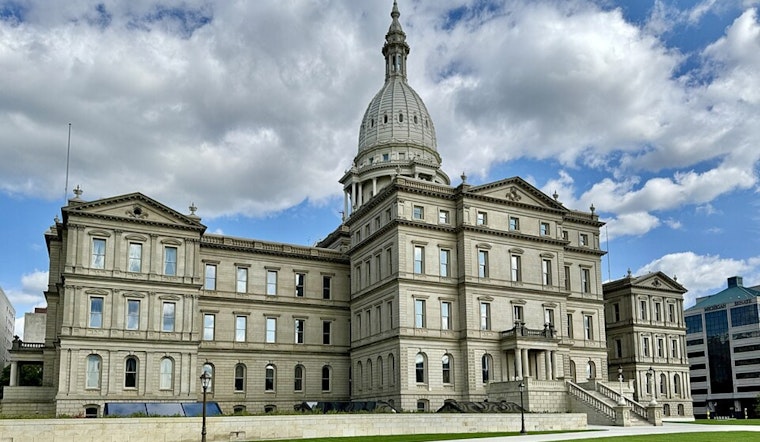
The Michigan House is keeping a tight lid on details about its internal security force, sharing only overall spending totals while refusing to say what, exactly, those taxpayer dollars are paying for. That secrecy is raising eyebrows, especially since lawmakers have quietly expanded the unit’s powers beyond the State Capitol.
According to The Detroit News, the House Business Office agreed to release total spending figures on Feb. 10 but declined to provide line-item breakdowns or supporting records that would show how the money was used. The office operates under the authority of Republican Speaker Matt Hall, and House leaders would not turn over invoices or operational logs, citing law-enforcement sensitivity.
Transparency Gaps and FOIA Limits
Michigan’s Legislature and the governor’s office sit largely outside the state’s Freedom of Information Act, which means reporters and the public have far fewer tools to force answers. The Reporters Committee for Freedom of the Press’ Open Government Guide for Michigan spells out how those exemptions limit routine oversight of legislative records, leaving big blind spots in an already murky area of government spending.
New Powers, Little Explanation
Documents reviewed by The Detroit News show that the House has granted its security unit expanded policing authority that now reaches beyond the Capitol grounds. Combined with the refusal to provide a spending breakdown, that wider jurisdiction has sparked questions about when and where these officers are being deployed and what kinds of missions they are carrying out. For taxpayers footing the bill, that is a lot of faith in a black box.
Advocates Warn of ‘Wandering Cops’
Transparency advocates say the secrecy is not just a paperwork problem. They point to earlier Michigan reporting that shows how officers with checkered histories can quietly resurface in other agencies when records are hard to trace. Coverage by Michigan Advance details specific cases and outlines legislative pushes aimed at tracking or decertifying such “wandering cops.”
What Officials Say and What’s Next
So far, House leaders have held the line against publishing itemized security spending or detailed operational guidelines, and transparency groups say they plan to keep pressing for clearer rules or new legislation. There are administrative appeals and legal avenues available for journalists and watchdogs challenging withheld records, but lasting change will likely depend on rewriting the law or a shift in leadership priorities inside the Capitol.
Legal Questions
The expanded reach of a legislative security force raises unsettled legal and civil-liberties questions, particularly if officers operate away from Capitol grounds without meaningful public oversight. For now, the combination of broader authority and limited disclosure leaves basic accountability issues hanging in the air, setting up a fight that lawmakers and rights groups may eventually have to confront head-on.





