

























































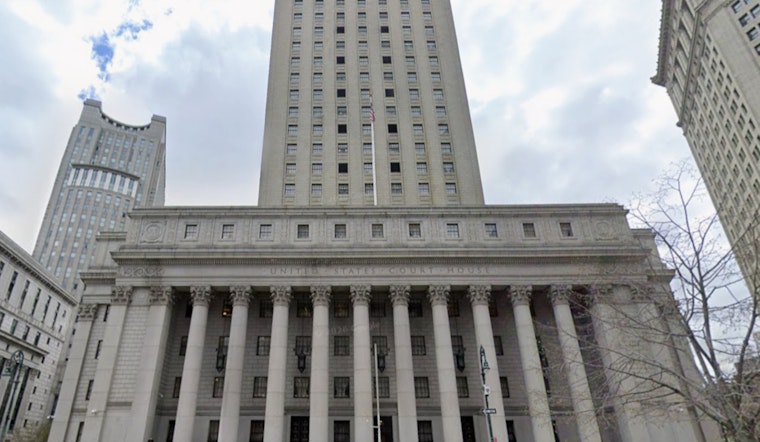
Federal prosecutors in Manhattan on Friday accused members of the Dumel family of running a sex‑trafficking operation that, they say, relied on coercion to control victims and pulled in thousands of dollars. The allegations, made public this morning, land as another high‑profile trafficking case in New York at a time when federal authorities are emphasizing stepped‑up enforcement. Investigators say the inquiry is still active while prosecutors review evidence and decide their next moves.
“The message from New York families is clear: stop the sex trafficking. It is corroding our communities,” said U.S. Attorney Jay Clayton. “As alleged, the Dumel’s exerted ruthless control over their victims and reaped thousands in profits.”
— U.S. Attorney SDNY (@SDNYnews) March 13, 2026
What prosecutors say
In a blunt post from the U.S. Attorney SDNY account, U.S. Attorney Jay Clayton invoked New York families “corroded” by trafficking as he framed the Dumel case. Prosecutors say the alleged operation kept victims under tight control and generated steady financial gains for those calling the shots. The brief X post is essentially the teaser; the fuller story typically emerges in court filings and charging documents as the case moves through federal court.
Legal exposure and possible penalties
Federal sex‑trafficking statutes come with serious teeth. Under the main law cited in legal analyses, 18 U.S.C. § 1591, trafficking that involves force, fraud or coercion, or that involves minors, can result in sentences stretching from decades in prison to life, along with substantial fines. A congressional research summary and the federal code note that convictions can also trigger restitution payments to victims, forfeiture of any profits, and other sentencing enhancements. Those tools give prosecutors multiple ways to pursue both long prison terms and the recovery of money tied to the alleged trafficking.
How this fits into New York enforcement
The Southern District of New York has brought a string of major trafficking cases in recent years, ranging from long‑running conspiracies to matters alleging force, fraud and coercion, according to the office’s human‑trafficking resources. That backdrop helps explain why prosecutors highlighted the community impact of the Dumel allegations in such a short social post. Local and federal task forces regularly join forces on these investigations, pooling NYPD, FBI and SDNY resources to build cases.
Where victims or witnesses can get help
People with information about suspected trafficking are urged to contact national helplines and law enforcement. The National Human Trafficking Hotline, operated by Polaris, is available 24/7 at 1‑888‑373‑7888 (or text 233733) for confidential help, safety planning and referral to local services. Law enforcement agencies, including the FBI, also maintain reporting channels for tips and trafficking‑related information.
We reached out to the U.S. Attorney’s Office for details beyond the social post and will update this story as court filings or a formal press release spell out more specifics on the charges, the named defendants and the next steps in the case.





