

























































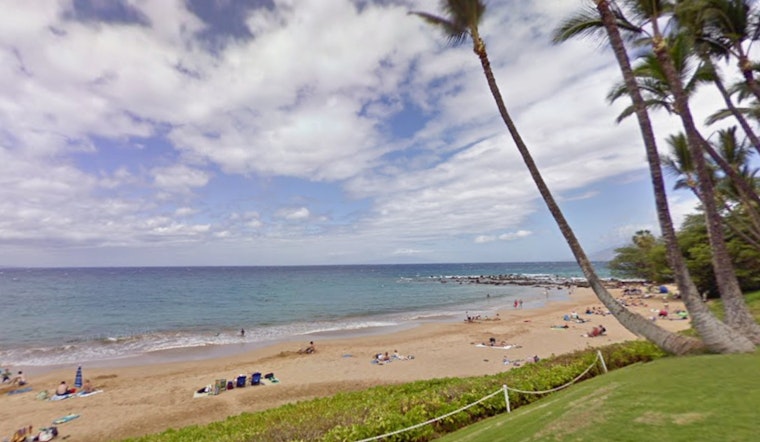
The Maui Planning Commission has inched a controversial Grand Wailea resort expansion closer to reality, giving conditional approval to a scaled‑down plan that would add 151 guest rooms, a new parking level and expanded pool and dining areas. The 5‑2 vote comes after years of deferred decisions, heated hearings and public protests over iwi kūpuna (Native Hawaiian ancestral remains), water use and the strain more visitors could put on South Maui’s shoreline. Commissioners tried to split the difference, tacking on more than 30 conditions meant to blunt environmental and cultural harm while still letting the resort update its aging footprint.
At a March 2 meeting, the commission recorded a 5‑2 vote in favor, with Kimberly Thayer, Ashley Lindsey, Joshua Circle‑Woodburn, Christopher Elizares and Brian Ward backing the project and Mark Deakos and Crichton Lind opposed, as reported by the Hawai‘i Journalism Initiative on Maui Now. The approval is still tentative. The resort must submit a final decision and order that bakes in the commission’s conditions before any permits are locked in, and commissioners pushed the required construction‑start date to 2029 while giving the project five years to finish once shovels hit the ground.
What the commission required
To get to yes, commissioners attached more than 30 conditions designed to keep the expansion from running roughshod over the coastline or cultural sites. According to Maui County, the rules include a hard cap on water use of 550,000 gallons per day, requirements to build about 30 public beach parking stalls alongside the resort’s own expansion, a reef‑health education effort and provision of reef‑safe sunscreen for guests, plus an immediate stop‑work order if additional burials are discovered. Any overages trigger mitigation payments, and the permit demands strict archaeological monitoring, putting the resort on a short leash if construction uncovers more iwi kūpuna.
Opposition and what’s next
Groups that intervened in the permitting process, including Mālama Kakanilua, the Pele Defense Fund and Ho‘oponopono O Mākena, say they are already weighing an appeal if the commission signs off on a final decision. Clare Apana, president of Mālama Kakanilua, told Maui Now to “stop digging in our known burial grounds,” while intervenors’ counsel argued the expansion still carries major impacts even as the resort wrapped up a multihundred‑million‑dollar renovation while permits were pending. The project has already been slowed by contested‑case hearings in 2020 and 2021 and a 2023 hearing‑officer report that flagged legal shortfalls, so a final decision could simply be the start of the next round in court.
Why it matters locally
The Grand Wailea spans nearly 40 acres and currently lists roughly 844 total accommodations on its site, including 737 guest rooms, 57 suites and 50 villas. It also appears on the County of Maui’s list of principal employers, a status that hung over the hearing as commissioners weighed jobs and tax revenue against cultural protections and the health of the shoreline and nearshore waters. The balancing act was clear: keep one of the island’s economic engines humming without sacrificing the coast or burial sites in the process.
What happens next
For now, the vote amounts to a conditional green light. The resort still has to nail down a decision‑and‑order packet that satisfies every one of the commission’s requirements before it can break ground. Opponents have already signaled they could appeal, and how tightly the county enforces archaeological monitoring, water limits and public‑parking commitments will determine whether the project moves on the timeline officials just set or gets dragged back into the legal and political crossfire.





