

























































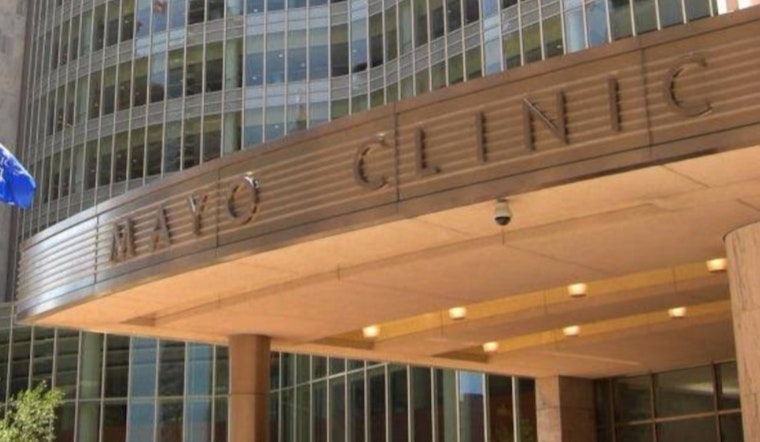
Mayo Clinic just logged a blockbuster financial year, even as it pulled back care in a string of southern Minnesota towns. For residents in places like Wells, Caledonia and Albert Lea, the contrast between big-city profits and shrinking local access has felt less like good business and more like a gut punch.
Big numbers, audited report
According to Mayo Clinic’s consolidated financial report, income from current activities came in at roughly $1.5 billion for 2025, with consolidated revenue at about $21.5 billion. The audited filings show that medical service revenue and investment returns powered the gains, even as salaries, supplies and other expenses also climbed.
Closures and shifts in southern Minnesota
Last fall, Mayo announced it would close six small-town clinics and move some elective outpatient surgeries out of Albert Lea to nearby Austin and Waseca. The affected clinics are in Northridge (North Mankato), Belle Plaine, Caledonia, Montgomery, St. Peter and Wells. Mayo officials pointed to staffing shortages, shrinking patient volumes and building problems, and told patients they could shift care to other Mayo locations or to competing local providers. As first reported by the Star Tribune, the changes were slated to wrap up by early December.
“It was just a sinking feeling in my gut,” farmer Terry Gjersvik told the Star Tribune, describing how neighbors now face 15- to 20-mile trips for routine checkups and prenatal visits. In Wells, where Mayo closed its clinic toward the end of August, some residents have shifted to United Hospital District or are making regular drives to Albert Lea or La Crosse for basic appointments.
Owatonna: deliveries and a rapid handoff
Mayo also ended on-call labor-and-delivery coverage at Owatonna Hospital effective Nov. 17, a move that prompted Allina Health to jump in and speed up a regional obstetrics plan, according to reporting by MPR News. In its own announcement, Allina Health said it would provide interim call coverage, open a dedicated women’s health clinic in the near term and consolidate some birthing services in order to preserve safe, sustainable care for the region.
Why it matters
Researchers and rural health advocates say what is happening in Minnesota tracks with national pressures, such as low patient volumes, workforce shortages and tight reimbursement, that push large health systems to concentrate services even while their balance sheets look strong. Work by the University of Minnesota Rural Health Research Center and others shows that consolidation can lengthen travel times and open up access gaps for seniors, families and residents who lack easy transportation.
Local officials are now scrambling for solutions, from recruiting replacement providers to exploring rideshare options and pressing state lawmakers for transportation support and funding. Mayo has said it will help patients who choose to transfer care and that employees at affected clinics can relocate within the system. Still, the collision of a record financial year with the loss of neighborhood clinics has sharpened the debate over what large nonprofit health systems owe to the small communities that helped build them.




