

























































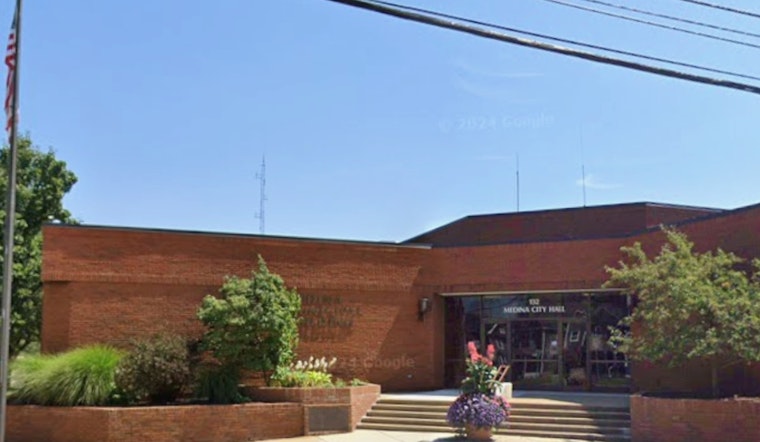
Medina County’s budget commission stepped into the property-tax spotlight this month when it moved to order several local school districts to return millions in what it labeled “excess” tax revenue. The targets were suburban districts whose collections jumped after recent property reappraisals, and school leaders warn the skirmish could rewrite how levies are planned across Ohio. With state lawmakers having already changed the rules this winter, local boards are now scrambling to shield reserves and schedule required public hearings.
Commission Pulls the Trigger, Then Hits Pause
The commission, leaning on its newly expanded authority, began the process of directing districts to send back unspent or reappraisal-related revenue. That effort came to a sudden stop after attorneys for Highland Local Schools issued a legal letter arguing the county had missed a March 1 certification deadline and therefore could not use House Bill 309 this year, as reported by Cleveland.com. Colleen Swedyk, a recent appointee to the commission, told the outlet the panel needed to “take a pause and make sure we’re doing everything right,” and commissioners temporarily backed away from finalizing the cuts.
What House Bill 309 Actually Does
House Bill 309, which took effect March 20, 2026, widens the power of county budget commissions to shrink voter-approved levies and order money returned after a public hearing, changing how gains from reappraisals are handled at the county level, according to the Ohio Legislature. The statute lays out a more direct route for local panels to reduce millage they deem unnecessary once a reappraisal boosts values.
Part of a Bigger Property-Tax Shakeup
The Medina move landed in the middle of a broader slate of property-tax changes passed late last year. Companion measures, including House Bill 186, cap certain growth calculations and add credits and backfills meant to soften the blow of reappraisal spikes. Legal analysis of the package says HB 186 and HB 309 together shift more discretion and pressure onto county officials and could reshape how districts plan for long-term projects and cash reserves, according to analysis by Squire Patton Boggs.
Districts Facing the Biggest Hit
County officials weighed proposed reductions that would have taken about $2.8 million from Highland Local, $2.5 million from Buckeye Local, roughly $1.9 million from Brunswick City, and about $546,000 from Cloverleaf, adding up to roughly $7.7 million before the vote was halted, according to the Cleveland.com report. Highland’s legal letter triggered the delay, and the story describes county officials and school leaders trading sharp warnings over precedent, local control and who gets the final say on levy-driven surpluses.
Why School Boards Are Spooked
School boards and administrators say they count on reserves to smooth out revenue swings, fund multi-year projects and avoid sudden program cuts, and they worry that aggressive county reductions could leave them choosing between new levies and trimming services. Local reporting notes leaders fear other county budget commissions could copy Medina County’s approach in the name of property-tax relief, a move they say would make long-term budgeting far more volatile. Entries in the Medina County commissioners’ journal show the board and county officials actively working through follow-up steps, and public records for February and March reflect ongoing budget talks and agendas for estimated resources and appropriations as counties implement the new laws; see the Medina County commissioners’ journal for those meeting records.
Statewide Fallout: Who Feels the Pinch
Policy and legal observers note that the state’s property-tax package was pitched as a way to curb surprise tax spikes after reappraisals while offering targeted backfills. Analysts also warn the overall impact may trim local school revenue in some areas and push more pressure onto levy strategy across Ohio. Detailed legal and fiscal summaries say the bills will land differently depending on each district’s reappraisal timing and reserve levels and project meaningful revenue effects for many communities. For local context on how some Medina County districts are already structuring levies and capital projects, see reporting by WVXU and statewide legal summaries at JDSupra.
Next Up: Hearings, Appeals and Maybe Court
Because HB 309 requires advance notice and a chance for a public hearing before any levy reduction, affected districts can lay out their budgets, defend their reserves and raise legal objections in those proceedings, according to the Legislature’s bill text. School leaders say they are prepared to consider administrative appeals or even litigation if needed, and county officials have indicated they plan to schedule the required hearings and follow the statutory process spelled out in the law.
Legal Questions Still Hanging
The core legal fight turns on timing and authority. Highland’s attorneys argue the commission missed a key certification deadline, which they say blocks use of HB 309 in the current cycle, while commissioners point to the new statutory language authorizing review and reduction of levies. The pause gives both sides room to hash out those procedural arguments, and any formal appeal or lawsuit would likely test how aggressively counties can wield their new power going forward.



