

























































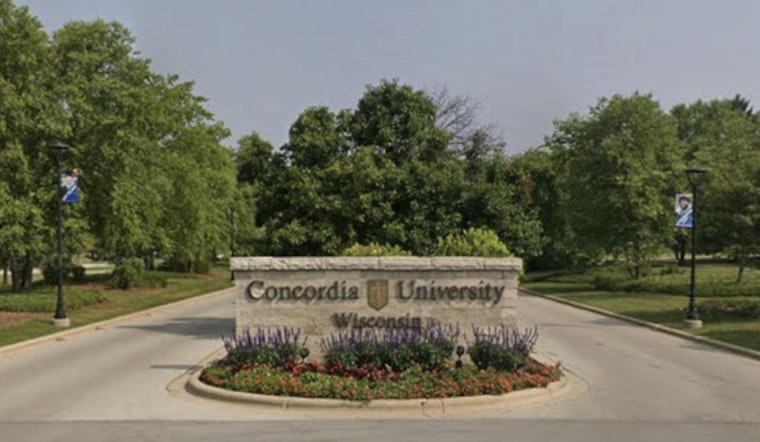
Concordia University Wisconsin is moving ahead with a plan to beef up its School of Nursing on the Mequon campus, teeing up a new wing meant to expand hands-on training and clinical simulation for students. University leaders say the project will pull more health-professions instruction into a single academic footprint and carve out extra room for interprofessional learning, at a time when schools and health systems across the region are hustling to grow the pipeline of practice-ready nurses.
Local business coverage first spotlighted the nursing-wing concept on March 25, 2026, noting that the project would attach directly to CUW’s existing academic complex. As reported by Milwaukee Business Journal, the expansion is part of a broader campus construction push. The Wisconsin Private Colleges association describes that larger plan as a four-story, roughly 85,311-square-foot building that would house simulation rooms, specialized labs and an inter-professional rehabilitation clinic.
What CUW Says The Space Will Include
Concordia’s academic materials show the School of Nursing already running baccalaureate and graduate programs that lean heavily on simulation-based work and clinical placements, and the new wing is framed as a way to dial up that hands-on capacity. According to Concordia University Wisconsin, the School of Nursing offers BSN, MSN and DNP pathways and emphasizes experiential training across those tracks. The university also points out on its accreditation page that its nursing programs are accredited by the Commission on Collegiate Nursing Education.
Why The Expansion Matters
Workforce projections suggest the demand for nurses is not letting up. The U.S. Bureau of Labor Statistics estimates employment of registered nurses will grow about 5 percent from 2024 to 2034, a steady climb rather than a spike. U.S. Bureau of Labor Statistics figures and national nursing organizations highlight expanded educational capacity and simulation-based learning as key tools for meeting clinical demand. The American Association of Colleges of Nursing has repeatedly called for boosting training throughput and widening access to clinical-simulation experiences to help ease shortages and work around faculty bottlenecks.
Local Impact And Next Steps
If built as described, the new wing would funnel more graduates into the Milwaukee-area health care pipeline and host an inter-professional clinic that, according to the campus plan summary, would “provide care to all people, regardless of their ability to pay” on a sliding scale, with CUW students and faculty collaborating alongside local providers. Wisconsin Private Colleges lays out that clinic concept. Early reporting does not include a firm construction timeline or total project cost, and Milwaukee Business Journal notes the university has yet to release a full schedule, with more details expected as planning moves along.
Concordia officials say they will share more specifics as the project shifts from concept into permitting and fundraising. For now, the nursing-wing plan signals a renewed institutional bet on health-care programs that keep local hospitals and clinics stocked with newly minted nurses and advanced practitioners.





