

























































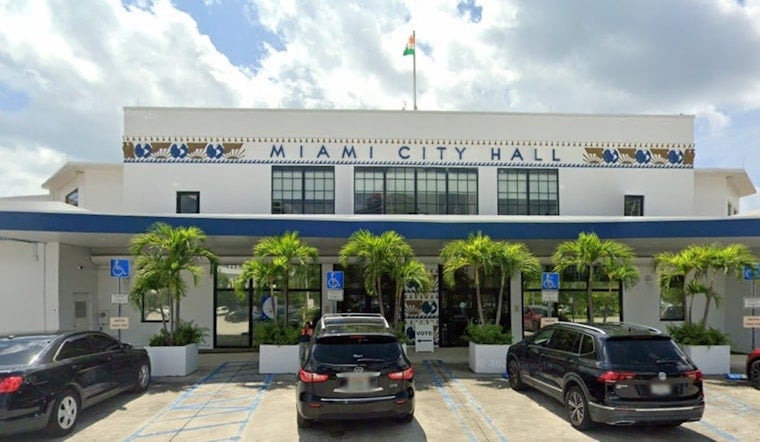
One of downtown Miami’s most stubborn missing links is on the verge of getting filled in, as city commissioners prepare to vote on a new pedestrian and bike bridge beneath I‑395 that would finally close the last major gap in the Baywalk.
The decision, set for March 12, would lock in the design of the over‑water connector and clear the way for a state grant application to help cover a Phase 1 budget estimated at about $2.14 million. The roughly 600‑foot span would run over Biscayne Bay, tying Maurice A. Ferré Park to the waterfront just north of the MacArthur Causeway and creating an uninterrupted route along the bay.
Commission Will Vote On Design And Grant Application
The commission agenda calls for a resolution that would officially select the Bay 2‑Enhanced Connector as the preferred Phase 1 design and authorize the city manager to carry out the project and negotiate required documents, according to the City of Miami. Sponsored by Commissioners Damian Pardo and Ralph “Rafael” Rosado, the item appears on the March 12 consent calendar, signaling broad support.
If approved, the resolution would allow staff to move ahead with grant applications, permitting, and procurement without coming back to the commission for separate votes on each administrative step, streamlining a process that can otherwise drag on for years.
Design Chosen After Years Of Study
The Bay 2‑Enhanced Connector concept rose to the top after a 2022 feasibility study and several years of community input, as reported by Miami Today. The Downtown Development Authority hired Lambert Advisory in 2019 to examine potential economic benefits, and the DDA’s Urbanism Committee recommended the enhanced connector in June 2025, with the full board reaffirming that choice in February.
Supporters say the selected alignment, which threads the bridge through the second bay of the MacArthur Causeway’s support columns, is designed to balance access, cost, and views of the waterfront.
Design Team And Technical Scope
A consulting team led by EXP Engineering, working with Inform Studio and other partner firms, was tapped to design the bridge, according to an EXP announcement. The city’s solicitation describes an approximately 20‑foot‑wide over‑water path with an estimated run of about 500 feet.
The design phase will require sign‑offs from the Florida Department of Transportation, the U.S. Army Corps of Engineers, the Florida Department of Environmental Protection, and Miami‑Dade County environmental regulators. Phase 1 is set to focus on locking in the alignment, refining the structure, and building in resiliency features to handle sea‑level rise and storm impacts.
Funding And The Road Ahead
The commission item would give the city manager authority to submit a reimbursement grant application and, if the city wins funding, to accept the money and allocate a local match of up to $1,071,394, according to the commission agenda. Early seed funding, including a $1 million Transportation Alternatives Program grant and smaller contributions from the Florida Inland Navigation District, the Miami Yacht Show’s International Yacht Brokers Association, and downtown impact fees, has already helped pay for design and permitting, Miami Today reports.
With the design formally approved, city staff say they plan to chase the remaining dollars, secure permits, and gear up for construction.
Why The Baywalk Matters
Finishing the tricky stretch beneath I‑395 would tie together long‑planned waterfront promenades and improve pedestrian and bicycle access to museums, parks, and transit hubs in downtown, according to the Miami DDA. The City of Miami’s project materials emphasize goals like stronger pedestrian connectivity, resilience to flooding, and environmental protection as key design drivers for the I‑395 Baywalk segment, the City of Miami notes.
Urban planners hope the new span will transform a decades‑old partial path into a truly continuous Baywalk that makes it easier to walk or bike between neighborhoods and waterfront destinations without having to dodge traffic.
Next Steps
If commissioners sign off on the consent item, staff will file the grant application and begin the permitting and procurement process. Officials say a firm construction timeline will depend on locking in the remaining funding and clearing all required regulatory reviews.



