

























































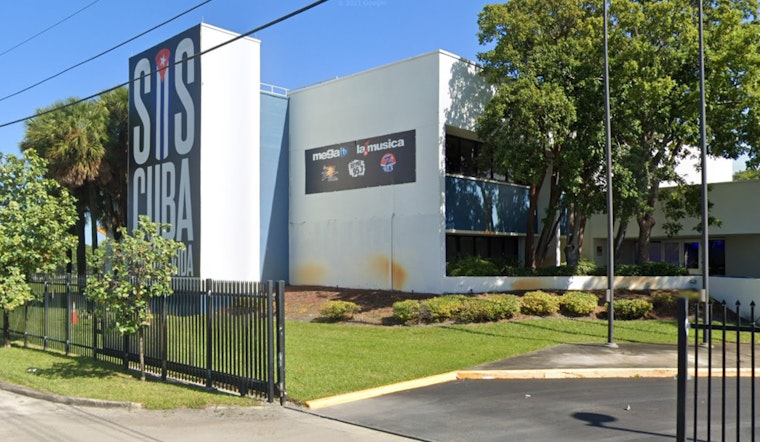
A Miami woman says her phone would not get a break from marketing texts tied to Spanish Broadcasting System's LaMusica app, even after she told the sender to knock it off. Her new federal lawsuit aims to represent customers across the country and seeks statutory damages along with court-ordered changes to how SBS markets over text. It is one more case testing how far automated promotions can go on consumers' mobile devices before crossing the legal line.
What the complaint says
According to Inside Radio, plaintiff Scarlett Briceno alleges that promotional text messages tied to LaMusica landed on her phone on Dec. 2 and Dec. 6, 2025. She says she replied with an opt-out instruction, yet the marketing messages kept coming.
The complaint accuses SBS of failing to keep required internal procedures in place, including an internal do-not-call list and proper training for employees who are supposed to process opt-out requests. Briceno is asking the court to certify two nationwide classes: one made up of consumers who allegedly received multiple marketing texts after opting out, and another of people who allegedly received solicitations during restricted telemarketing hours.
Her filing seeks class certification, a jury trial, and injunctive relief that would force SBS to roll out compliant telemarketing policies and training going forward.
Where the case sits now
The case, Briceno v. Spanish Broadcasting System, Inc., is pending in the U.S. District Court for the Southern District of Florida, case number 1:2026cv21229, according to Justia Dockets & Filings. The docket lists it as a Telephone Consumer Protection Act matter and shows that the complaint was filed in late February.
At this early point there is no final schedule locked in. The filings indicate the parties are still trading pleadings and paperwork rather than gearing up for trial.
Federal rules and damages at stake
Under federal rules, marketers generally are not allowed to call or text for promotional purposes outside the hours of 8 a.m. to 9 p.m. local time, according to the FTC's guidance on the Telemarketing Sales Rule.
The Telephone Consumer Protection Act lets consumers seek $500 per violation in statutory damages, and up to $1,500 per violation if the conduct is found to be knowing or willful, under 47 U.S.C. § 227. When those figures are multiplied across a proposed nationwide class, the potential exposure can start to look very real for defendants.
LaMusica's role
LaMusica, the app at the center of the lawsuit, is described on its website as a free digital music and video platform that lets users build stations from a catalog of more than 23 million songs. It also streams SBS radio stations and curated playlists, according to LaMusica.
Briceno says the app's promotional features were used to send the disputed texts. For a broadcaster with major stations in Miami, New York, and Los Angeles, the stakes could climb quickly if a court decides there were widespread violations affecting many customers.
What comes next
The litigation is still in its opening laps, and the filings suggest the parties are working through basic scheduling issues. One early document indicated that extra time could help the sides explore settlement talks, according to Inside Radio.
If the judge certifies a class, the math on potential statutory damages could quickly raise the pressure to settle. That is a familiar pattern in TCPA cases, where plaintiffs' lawyers often use the structure of the statute to argue that an early resolution is in everyone's interest.
Legal defenses and why it matters
In TCPA litigation, defendants often respond by arguing that they had reasonable internal safeguards or that the messages were not sent by an autodialer as that term is defined under 47 U.S.C. § 227 and its implementing rules. In this case, whether SBS can show that it promptly honored opt-out requests and maintained adequate do-not-call procedures is likely to be central if the lawsuit moves beyond the initial pleadings.
Whatever happens, the outcome could influence how broadcasters and streaming platforms think about text marketing, opt-outs, and late-night promotions on consumers' phones.




