

























































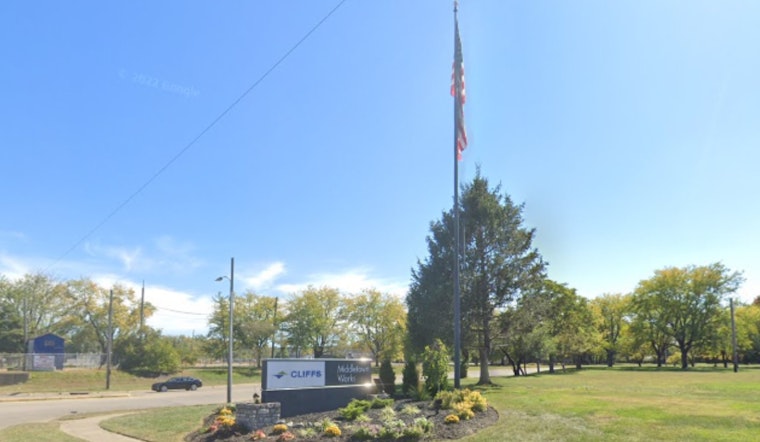
Middletown’s century-old steel mill just had its big makeover yanked away. Cleveland-Cliffs has walked from a high-profile "green steel" overhaul at Middletown Works, leaving the 120-year-old plant, and roughly 2,500 jobs tied to it, in a holding pattern while local leaders and union reps scramble to figure out what comes next.
How the DOE Award Was Supposed to Remake the Mill
In March 2024 the Department of Energy selected the Middletown Works project for award negotiations, offering up to $500 million to swap out a blast furnace for a hydrogen-ready direct reduced iron plant and electric melting furnaces, according to the Department of Energy. Cleveland-Cliffs pitched the plan as a more than $1.3 billion transformation that would cut roughly 1 million tons of greenhouse-gas emissions a year while adding both construction and permanent jobs, according to Cleveland-Cliffs.
Cliffs Backs Out and Sends Federal Money Back
In mid-2025 the company told the DOE it would not pursue the project and gave up the grant, a move local outlets reported in July 2025. The decision, which Cleveland-Cliffs and local officials cast as a response to shifting energy policy and project economics, was detailed by the Cincinnati Business Courier.
Company Blames Hydrogen Hurdles and High Costs
Cleveland-Cliffs’ leadership has pointed to practical roadblocks, including a lack of low-cost hydrogen and changing federal priorities. On an earnings call, the CEO said the company "informed the Department of Energy we would not be pursuing the project" and talked about reworking the plan to keep Middletown’s operations viable, according to an earnings transcript reported by Investing.com. Energy analysts say the sheer volume of hydrogen needed, and the electrolyzer capacity required to produce it, makes these kinds of upgrades both expensive and technically complex, as RBN Energy has described.
Local Leaders and Unions React
Union leaders and city officials have responded with a mix of disappointment and caution. Union president Shawn Coffey called the original DOE award “absolutely huge” but stressed that Middletown will continue to make steel. Local officials say they are hoping the plant still lands other upgrades or that some version of the project can be “revamped” in renewed talks with the DOE, according to coverage by the Journal-News.
Crain's Sees New Paths for the ‘Former’ Green Steel Plan
Crain’s Cleveland framed the move as the end of one path and the start of several others, from a scaled-back modernization that relies less on hydrogen to the DOE reallocating support or bringing in new partners to work on decarbonization at the site. The outlet reported that company executives and federal officials are both weighing alternatives instead of simply walking away from Middletown Works.
Why This Matters Far Beyond Middletown
The reversal at Middletown highlights the national headaches that come with trying to scale green-hydrogen steel projects: huge capital costs, limited regional hydrogen supply, and intense competition for a finite pool of DOE support. Analysts and policy groups tracking industrial decarbonization note that projects like this usually need a careful mix of federal grants, private investment, and local infrastructure buildout, a point laid out by the Clean Air Task Force and tracked in project databases such as the Global Energy Monitor.
What to watch now: whether Cleveland-Cliffs rolls out a concrete rework plan, whether the DOE reopens negotiations or steers federal funds somewhere else, and whether private partners step in to revive the green-steel concept in Middletown. Local officials, workers, and federal agencies are all on the clock as those talks unfold.





