

























































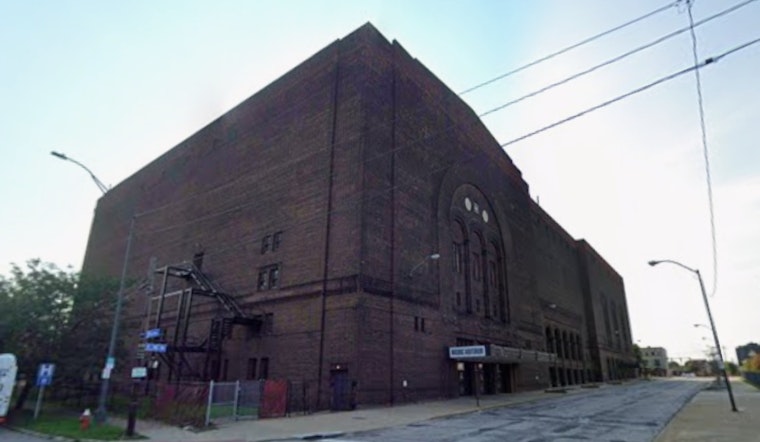
The Masonic Auditorium, a century-old red-brick landmark in Midtown, is back on the market and neighbors are watching closely. The complex, long home to Masonic rites and, for years, the Cleveland Orchestra, was relisted this winter after its operator shut down late last year. Brokers are pitching the property as either a ready-made live venue or a heavy-lift candidate for housing, a hotel or broader mixed-use development.
The listing, the brokers and the pitch
Newmark is marketing the property, with Terry Coyne and Richard Sheehan listed as the lead brokers. The deal is being offered as “subject to offer,” which means there is no public asking price. Marketing materials frame the site as a large and flexible redevelopment opportunity, suitable for continued entertainment use or conversion to residential, hospitality or mixed use. That relisting and the brokerage details were reported by Cleveland Scene, and early coverage from Crain's Cleveland noted strong interest from would-be buyers right out of the gate.
A building built to perform
Constructed between 1918 and 1921 and listed on the National Register of Historic Places, the complex includes a large main auditorium plus smaller performance rooms and banquet spaces known for their ornate woodwork and acoustics. The hall’s pedigree, including decades when the Cleveland Orchestra played there, makes it a tempting target for promoters and preservation-minded buyers alike. Site and listing details are laid out in the public commercial flyer for the property on CityFeet and in historical overviews such as the Cleveland Masonic Temple entry on Wikipedia.
Owner struggles and a fizzled hotel plan
Fort Smith-based Beaty Capital Group acquired the complex in 2017 for roughly $725,000 and later invested millions into renovating stages, the roof and mechanical systems, but the bigger dreams never quite landed. Reporting shows roughly $8–9 million was poured into upgrades between 2018 and 2024, and an earlier proposal for a $60 million “Dream Hotel” adjacent to the site stalled after the pandemic. The venue’s operator, TempleLive, ultimately canceled concerts and shut down operations in 2025, a twist that local and industry outlets flagged when the company halted shows nationwide. See reporting in Cleveland Magazine and industry coverage at Digital Music News.
Why the next buyer faces a heavy lift
Local coverage and the broker flyer underline a familiar adaptive-reuse headache. The site’s appraised tax value is tiny compared with the real cost of finishing structural, mechanical and historic-preservation work. That valuation gap has pushed previous developers to chase historic-tax credits, brownfield funds and other incentives, which have already factored into earlier renovation phases and into proposals that never got off the drawing board. Regional reporting and planning roundups detail those financing realities and the public incentives that have been pursued for the property. See local development coverage on NEOTrans for background on past investments.
What comes next
With Newmark’s brochure live and the asset officially being shopped, any sale will hinge on a buyer who can match a realistic repair budget with tax credits or other subsidies. Messages seeking comment on the listing were not returned, according to local reporting, so for now the timing and ultimate use of the property come down to who steps up with financing and a plan that treats the historic bones with some respect.




