

























































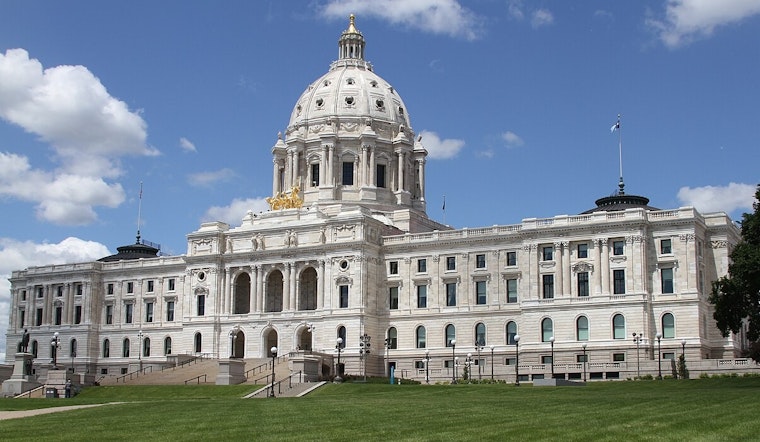
Artificial intelligence is getting a serious reality check at the Minnesota Capitol, where lawmakers this week rolled out a broad batch of bills aimed at reining in how the technology shows up in health care, business and even basic infrastructure. The proposals would force companies and agencies to disclose when people are dealing with AI, limit automated decision-making in clinical settings, and order a closer look at AI's energy use and environmental costs. Together, they mark the latest push by state leaders to put guardrails around a tool that, depending on who you ask, can either help Minnesotans or seriously trip them up.
New bills take aim at therapy bots and insurance algorithms
Lawmakers in St. Paul filed a cluster of AI-focused bills this week, according to MPR News. One of the headline measures, Senate File 4280, would block artificial-intelligence systems from making independent therapeutic decisions or directly interacting with clients, while still allowing administrative or behind-the-scenes uses as long as a licensed professional remains fully responsible. That framework is laid out in the bill text from the Office of the Revisor of Statutes.
Another proposal targets the insurance side of health care. Senate File 3984 would prohibit health carriers from relying on an algorithm or AI program to decide whether to approve or deny prior authorization requests, according to the bill language posted by the Office of the Revisor of Statutes. In plain terms, that means a human, not a model, would have to own the final call on whether a treatment gets the green light.
Other measures cover disclosure, environment and child safety
A national legislative tracker maintained by the National Conference of State Legislatures shows that Minnesota's AI agenda does not stop at health care. The list includes a consumer-disclosure bill that would require notifying people when they are interacting with AI, a proposal directing the Pollution Control Agency to study the environmental impacts of AI, and measures stiffening penalties around AI-generated child sexual imagery. The NCSL inventory highlights a broader trend in which states favor targeted AI bills over a single sweeping statute.
Why lawmakers say oversight is needed
Supporters argue these bills are basic guardrails as AI seeps into medicine, customer service and public infrastructure. They say that transparency requirements and human review are needed to head off serious mistakes before they hurt real people. National analysts have noted that state-level AI rules often lean on two big levers, "prohibit" and "disclosure," while federal guidance is still taking shape, according to the Brookings Institution. Backers of the Minnesota proposals insist that when AI touches health, safety or someone’s wallet, a human being has to stay on the hook for the outcome.
Debate at the Capitol and the weeks ahead
Industry groups are not exactly cheering. They warn that broad bans and strict disclosure rules could drive up costs, slow adoption and nudge AI investment toward more permissive states. Observers also note that a growing patchwork of state rules makes compliance tougher for companies that operate across state lines, a tension that shows up clearly in the NCSL tracking.
At the Capitol, lawmakers expect committee hearings and plenty of stakeholder testimony in the coming weeks as they tweak bill language and weigh trade-offs ahead of key deadlines. Minnesotans can likely expect amendments, heated debate and more public input before any final votes on which protections survive and which get scaled back. For a closer look at the initial slate of proposals, see local coverage from MPR News.





