

























































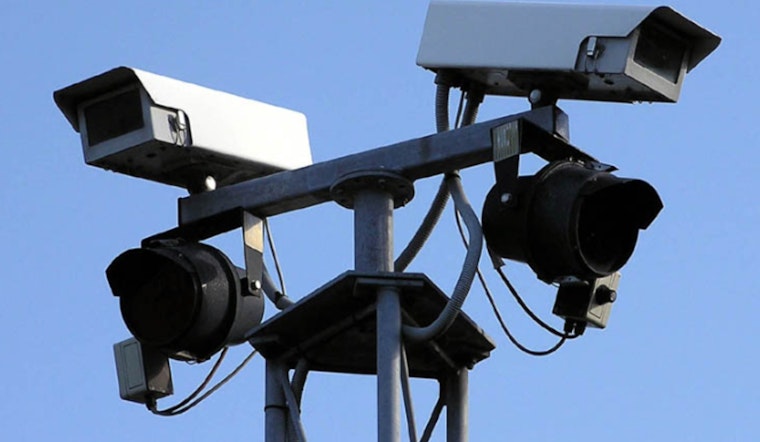
Minnesota lawmakers are gearing up for a high-stakes fight over license plate surveillance, with a new bill that would sharply dial back how police and other government agencies use automated license plate readers. The proposal would effectively kick the government out of the business of running big plate-scanning databases and would put judges between officers and most search requests. Privacy advocates are cheering; law enforcement officials are signaling concern that it could make cross-border investigations a lot harder.
What's in the bill
House File 3856 would “prohibit government entities from using automated license plate readers” and specifies that “No government entity may use an ALPR system, collect data for use in an ALPR system, or disseminate data to an ALPR system,” according to the Office of the Revisor of Statutes. The draft orders agencies to destroy many legacy ALPR records that were gathered under earlier rules and caps retention of new scans at 60 days when they are not tied to an active criminal investigation.
The bill would also clamp down on private operators. It would require clearly visible signage where plate readers are used and would limit how those companies can sell or share plate data without the driver’s consent or a court order, according to the Office of the Revisor of Statutes.
Where the data lives now
Right now, dozens of Minnesota law enforcement agencies run ALPR programs that are supposed to undergo review every two years. Independent audits and agency filings documenting that oversight are collected by the state, and recent reports are available through the Legislative Reference Library.
Several departments also plug into private networks run by vendors such as Flock Safety. Those companies maintain public transparency pages that list which agencies participate and highlight recent “hits” when a scanned plate matches a wanted vehicle or other alert.
Privacy and policy push
Civil liberties groups have been sounding alarms that ALPR systems can quietly build detailed maps of people’s movements that are easy to share far beyond the agency that collected them. That concern is laid out in advocacy materials from the ACLU of Minnesota, which argues that mass plate collection looks a lot less like targeted policing and a lot more like rolling location surveillance.
Backers of tighter controls also point to fights unfolding elsewhere. In California, a lawsuit has accused a city of sharing license plate reader data with out-of-state and federal agencies, a clash that supporters say shows why Minnesota should write clear guardrails into law, according to reporting from Times of San Diego.
Legal implications
If HF3856 becomes law, most ALPR records would be classified as private data, and police would generally need a judge’s signoff to see them. With narrow exceptions for emergencies, agencies “may not collect, receive, or access data from an ALPR system without a judicial warrant,” the bill states, according to the Office of the Revisor of Statutes.
That warrant requirement, combined with the short retention limits for routine scans, is expected to be at the center of the looming legal and political fight, as lawmakers, police representatives, and privacy advocates hash out how far the state should go in restricting a tool many departments have already built into their daily operations.
What's next
HF3856 was introduced on March 2 and sent to the House Judiciary Finance and Civil Law Committee. The bill is sponsored by Rep. Brad Tabke, according to bill tracking from LegiScan, and local TV coverage has started following the proposal at the Capitol, per FOX 9 Minneapolis-St. Paul.
If the measure gets a hearing, lawmakers are expected to take testimony from police chiefs, civil liberties attorneys, and ALPR vendors in the weeks ahead. For Minnesotans, the argument comes down to how much surveillance power they are willing to trade for help solving car thefts and similar crimes, and whether they want that bargain locked into law with clear timelines and tight rules for a camera network that has mostly spread in the background.




