

























































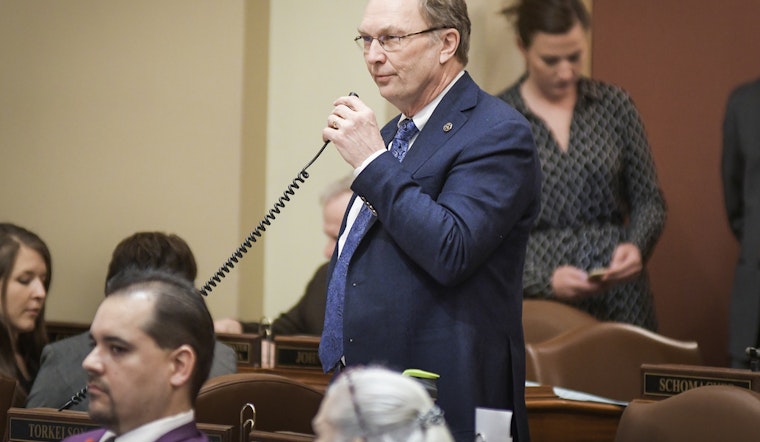
A Minnesota lawmaker is pitching a major shakeup at the Capitol: add one lawmaker to bump the House up to 135 members and slice the Senate down from 67 seats to 45. Rep. Paul Torkelson says the whole point is to avoid another 67-67 split like the one that froze business last year. Under his plan, new district lines would be drawn so each Senate seat contains three House districts instead of two, a setup he argues would still comply with legal redistricting rules.
Torkelson rolled out the idea at a House committee hearing on March 17 and reminded colleagues, “we came in with a tie, and we had a very difficult time even starting the session.” As reported by the Star Tribune, the pitch drew some chuckles but also sparked serious questions about how far Minnesota should go to dodge future deadlocks.
What the bill would do
The proposal would formally expand the House to 135 members and shrink the Senate to 45. That would require a full reshuffling of district lines so that each Senate district contains three House districts instead of the current two. The Minnesota Constitution spells out that “the representation in both houses shall be apportioned equally throughout the different sections of the state in proportion to the population thereof,” according to the Minnesota Constitution. As laid out by House Research, changing the size of either chamber would almost certainly require writing constitutional amendment language and then sending it to voters for approval.
How the tie played out
The push follows a chaotic stretch in St. Paul after the 2024 election produced an effective 67-67 split in the House. A judge later ruled that a newly elected DFL member did not meet residency requirements, which briefly handed Republicans a 67-66 advantage before a special election could be held. Democrats responded by boycotting House sessions to deny a quorum. The open seat was ultimately filled by a DFL candidate in a March 11, 2025, special election, restoring the tie, as reported by AP.
Capitol reaction
Lawmakers at the Capitol were split on the idea, even if they were not evenly tied this time. Rep. Ginny Klevorn argued that keeping faith with voters’ choices is crucial, while House DFL Leader Zack Stephenson suggested that a tied chamber does not automatically mean the system itself needs an overhaul. Others cracked jokes about the proposal, but as the Star Tribune notes, it is tough to picture senators enthusiastically voting themselves out of 22 seats.
What's next
Even supporters admit the plan faces a steep climb. It would require carefully drafted amendment language, approval from both legislative chambers, and ultimately a thumbs-up from Minnesota voters. On top of that, it would reshape how residents are represented at the Capitol. For now, the measure is functioning more as a conversation starter than a must-pass bill, but it keeps last year’s stalemate front and center in debates about how the Legislature should look in the future.





