

























































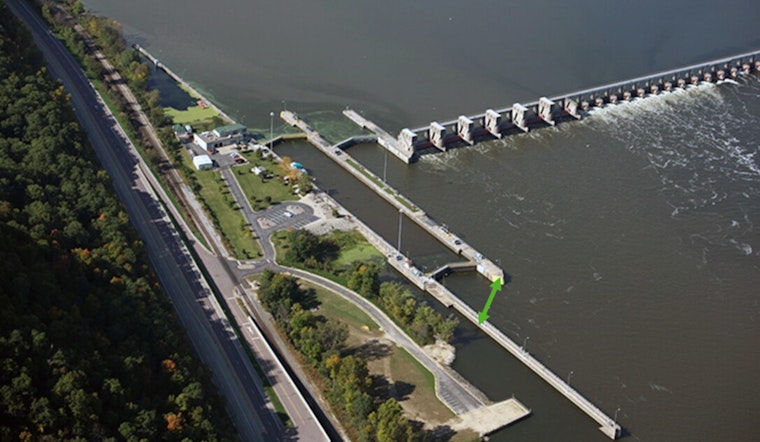
The Minnesota Department of Natural Resources is now telling river communities that an invasive-carp deterrent at Lock and Dam No. 5 will not be in the water until 2029, which is two years after the state set aside roughly $12 million for the job. That slower timetable is not playing well with scientists, anglers and river advocates, who warn that every extra spawning season increases the odds that silver carp could gain a foothold upstream in Lake Pepin and the Minnesota and St. Croix rivers. Once breeding populations get established, they say, protecting fisheries and recreational use becomes far more complicated and far more expensive.
DNR sets schedule and picks a deterrent
According to the Minnesota Department of Natural Resources, the agency is leading an interagency project team at Lock and Dam 5 and has chosen an underwater acoustic deterrent system, or uADS, for the site. Monitoring and tagging began in 2025, with full design work scheduled to ramp up in January 2026. The DNR notes that the appropriation language requires a selective deterrent to be installed by June 30, 2029, and that whatever goes into the lock has to work alongside commercial navigation while keeping impacts to native fish as low as possible. Project materials say the work plan includes telemetry, trap-and-sort planning and close coordination with federal partners as design and permitting move forward.
Where the $12 million came from
The funding was approved through the Lessard-Sams Outdoor Heritage Council and the Legacy Fund, with the council's accomplishment plan explicitly recommending $12,000,000 to the DNR and laying out milestones for design and installation. The LSOHC accomplishment plan calls for a phased approach that starts with scoping and engineering, moves into permitting, then culminates in installation. It also notes that any funds not needed for installation could be used to test complementary technologies. At the same time, the plan warns that a lock deterrent on its own will not stop carp from moving through dam gates during open-river conditions, so other measures will have to be paired with the system.
Scientists and advocates turn up the pressure
At the council meeting where the money was approved, U.S. Army Corps of Engineers project staff reportedly said a barrier could be installed quickly, which only sharpened criticism from researchers and river groups who want to move faster. University of Minnesota professor Peter Sorensen, who has spent years testing bioacoustic fish-fence (BAFF) methods, told the Star Tribune that the DNR's framing of the situation was "simplistic, defeatist" and argued that Minnesota should push to deploy deterrents as soon as feasible. Conservation organizations including Friends of the Mississippi River have likewise called Lock and Dam 5 one of the best choke points to slow northward movement and urged a rapid, integrated buildout.
How much protection a barrier really offers
Engineering documents and early scoping work stress that no deterrent will be perfect. Preliminary data from uADS and BAFF pilot projects suggest they cut carp use of locks by about half in field trials, which is why they are being paired on paper with trap-and-sort systems and more deliberate gate-management strategies to squeeze out as much effectiveness as possible. The LSOHC plan includes sample cost ranges pulled from recent pilots and cautions that the full bill for installation, permitting and five years of operations could easily surpass the initial $12 million allocation. That means more money will likely be needed to cover long-term monitoring and maintenance.
What comes next at Lock and Dam 5
The interagency project team is still meeting, and the DNR is slated to brief the Lessard-Sams council in the coming months, a check-in where lawmakers and council members are expected to demand clearer answers on cost and performance. Council chair David Hartwell told the Star Tribune he expects the DNR to appear before the panel in May and said members will press the agency on whether a deterrent that is only partially effective is still worth such a large investment. The DNR's 2025 invasive species report documents the start of tagging and receiver monitoring, work that project leaders say will guide adaptive management once a deterrent is eventually in place.
For communities along Lake Pepin and the rivers that feed it, the choice is already staring them in the face: move quickly with a paired deterrent-and-removal program that will never be perfect, or risk invasive carp slipping past the current choke point and making future prevention far more costly. The next round of briefings and monitoring updates will go a long way in deciding whether Lock and Dam 5 becomes a real line of defense or a missed chance on the Mississippi.





