

























































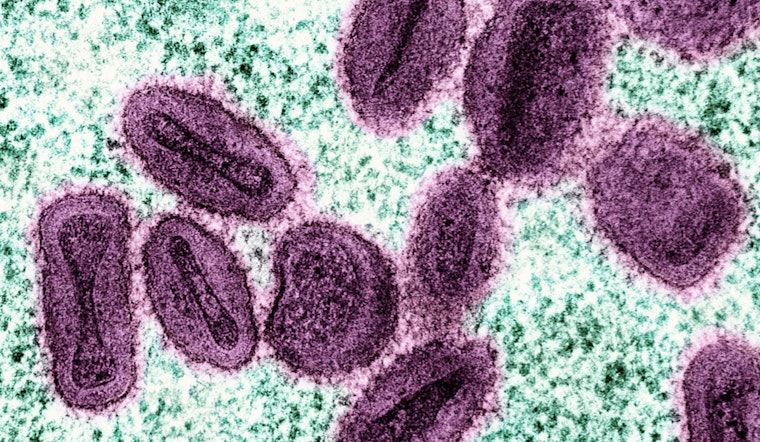
New York City health officials have confirmed the city’s first known case of a more severe strain of mpox in a traveler who recently got back from Europe, stirring concern but not panic. Announced on March 13, the case involves a patient who is currently isolating and recovering. Health authorities say the immediate risk to the general public remains low.
In a Health Advisory issued March 13, 2026, the New York City Department of Health reported that confirmatory testing was carried out by the Centers for Disease Control and Prevention. It is the first documented clade I mpox diagnosis in New York City and the twelfth clade I case identified in the United States. The advisory urges clinicians to keep a low threshold for testing and to call the Health Department’s Provider Access Line for clade-specific testing and consultation. So far, officials say there is no evidence of community spread in the city.
What doctors are saying
Dr. Sharon Nachman, chief of pediatric infectious diseases at Stony Brook Children’s Hospital, broke down the clinical differences and warned about the potential for more severe disease in comments to CBS New York. She stressed that when clade I is on the table, clinicians should test suspected cases quickly and keep a close eye on patients.
Testing, treatment and vaccination
The city advisory instructs providers to maintain a low threshold for testing and to call the Provider Access Line at 866-692-3641 for clade-specific testing and clinical consultation. It also reiterates city guidance that encourages vaccination for people at increased risk. The JYNNEOS vaccine is expected to offer protection against both clade I and clade II mpox. For local vaccine details, check the NYC Health mpox vaccination page and federal advice from the Centers for Disease Control and Prevention.
Where this fits in the U.S. picture
Clade I mpox has been popping up sporadically in the United States since late 2024, and state officials in California reported evidence of community spread in October 2025, according to the California Department of Public Health. New York’s case is believed to be travel-associated, and city health officials say they are conducting contact tracing and using enhanced surveillance to check for any related infections.
Anyone who develops a new, unexplained rash, sores or flu-like symptoms should avoid close contact with others and contact a health care provider. Clinicians who suspect a clade I mpox infection are advised to call the Provider Access Line at 866-692-3641 for testing, reporting and clinical consultation.



