

























































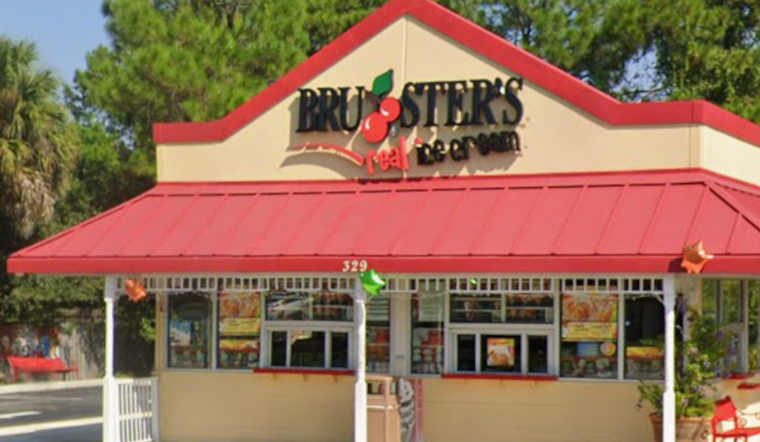
What started as a quick ice cream stop in Palm Bay ended with emergency doctors, long-term medical complications, and a multimillion-dollar jury award.
A Brevard County jury has ordered more than $14 million for Brandy Buckley after jurors concluded she was seriously injured by metal found in an ice cream cup she bought at a Palm Bay Bruster’s drive-thru in 2018. Buckley’s attorneys say the contamination led to emergency treatment and complications that included portal-vein thrombosis and an ablation they say left her permanently infertile.
Jury holds franchisor accountable
A six-member jury returned the verdict this month, awarding Buckley in excess of $14 million and finding the chain’s national franchisor liable under an agency theory, according to ClickOrlando. In a statement reported by the outlet, attorney John Alpizar said, “We are grateful that this jury of six fulfilled their civic duty and listened carefully to all of the evidence.”
What the court filing alleges
The complaint, filed in 2019, says Buckley bought the ice cream at the Bruster’s drive-thru at 329 Malabar Rd NE in Palm Bay on Sept. 11, 2018, and that the cup contained multiple metal nails and fragments. The filing alleges Buckley swallowed some of the debris and suffered bodily injury and medical expenses, as detailed in the court complaint available on Scribd.
Injuries and damages outlined by lawyers
Buckley’s legal team told reporters that doctors removed one of the nails during emergency treatment and later treated complications, including portal-vein thrombosis. They say a subsequent ablation resulted in permanent infertility. Those medical details and the scope of Buckley’s damages were described by the plaintiff’s lawyers in a release covered by ClickOrlando.
Why jurors assigned blame to the chain
The court complaint argues Bruster’s Malabar was a franchisee and that the franchisor exercised sufficient control over products, policies, and training to make it liable under an agency theory. The full court filing, which lays out the franchising arrangements and the agency allegations, is available on Scribd.
The verdict serves as a pointed reminder of the legal exposure franchisors can face when product contamination occurs at individual outlets. It was not immediately clear whether the defendants would file post-trial motions or appeal; court dockets and filings will determine the next steps.





