

























































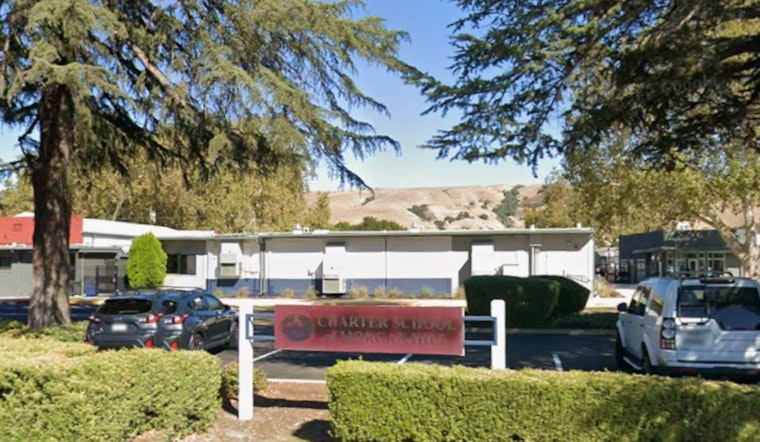
A Virginia-based energy company wants to park a massive 350-megawatt lithium-ion battery complex on Monterey Road, directly across from the Charter School of Morgan Hill, and the neighborhood is not exactly rolling out the welcome mat. The project, locally dubbed Jewelflower, would cover roughly 40 acres with hundreds of containerized battery units and is targeted for construction in the late 2020s. Parents and school officials have zeroed in on two big worries: air-quality risks and how to evacuate a campus that has only one way in and out. Neighbors say that single access point on Monterey Road is already a weak spot and that construction work could narrow the roadway. Charter School principal Susan Pfefferlen has called the proposal one that raises serious safety and environmental concerns.
What AES Says It Wants to Build
According to AES, Jewelflower would be a 350-megawatt, containerized battery energy storage system designed to store several hours of electricity from the grid on a site of about 40 acres. On its project page, AES pitches Jewelflower as a way to bolster regional grid reliability while also providing construction jobs and long-term tax revenue for local governments and schools. The proposal is also listed with the California Independent System Operator, where the interconnection list shows "JEWELFLOWER" at roughly 350 megawatts and indicates that the developer is seeking grid access in the San Jose area, with the entry appearing in CAISO’s interconnection briefing documents.
Parents And School Officials Push Back
A Change.org petition opposing the Monterey Road location has collected thousands of verified signatures, and recent local meetings have been crowded with residents pressing for answers on school safety, traffic and contamination risks. As reported by the Morgan Hill Times, opponents argue that the school’s single driveway onto Monterey Road would severely limit evacuation options, and they warn that construction would likely require closing a traffic lane along the road while work is underway. The petition and parents’ comments call for independent safety and air-quality studies, indemnity protections for school assets, and much more detailed emergency plans before any agency signs off on the project.
Safety Precedent And Fire-Response Questions
Concerns around Jewelflower are colored by what happened at the Moss Landing battery complex in January 2025, when a fire at the facility triggered regional scrutiny of large-scale storage projects. The U.S. Environmental Protection Agency documented the Moss Landing incident, ordered extended air monitoring and oversaw cleanup and battery removal. Residents and safety advocates now point to that episode, along with other battery incidents, as a reason to require rigorous containment, ventilation and thermal-runaway testing before any new site is approved. Opponents have also flagged past incidents linked to AES-associated facilities, including a smoldering Dorman battery site in Chandler, Arizona, in April 2022 that prompted a lengthy emergency response, as further justification for tighter siting rules and stronger safeguards.
Permitting Path And Public Input
AES has said it plans to pursue the California Energy Commission’s Opt-In Certification Program, a state process that can make the CEC the lead agency for California Environmental Quality Act review instead of city or county governments. Under that program, the company would be required to participate in a public scoping meeting within 30 days after the application is deemed complete. The opt-in pathway generally puts projects on a roughly 270-day environmental impact report schedule, which locks in the timing and format for public comment. AES’s anticipated timeline, and the CEC’s potential role, have been laid out in local reporting and are described on the CEC’s Opt-In Certification Program page.
Legal And Regulatory Stakes
State law has already expanded the CEC’s authority over large clean-energy developments through AB 205, but the Moss Landing fire has sparked fresh pushback from lawmakers and community organizations. Assemblymember Dawn Addis has introduced AB 303 to add siting restrictions and limit which battery projects can use the opt-in path when they are near sensitive receptors such as schools. That bill is part of a broader fight over whether major energy storage facilities should move through a centralized state process that promises speed and consistency, or stay under local land-use control to preserve more community leverage. What happens to those proposals in Sacramento will help determine how Jewelflower, and similarly sized projects across California, are ultimately permitted.
What Comes Next For Jewelflower
If AES submits an application and the CEC finds it complete, the commission must hold a local informational and scoping meeting, then release a draft environmental impact report that comes with a formal public comment period. Those steps will be the key moments for residents, parents and local officials to press for project conditions, design changes or different siting. AES says it intends to engage with stakeholders as the review moves forward, while school and county leaders say they will continue to push for concrete emergency-response commitments and independent safety studies throughout the CEC process.





