

























































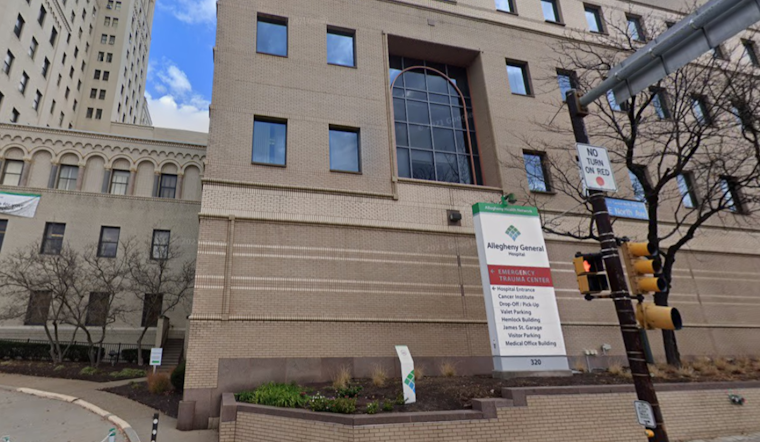
On Friday, Allegheny Health Network flipped the switch on a new Adult Congenital Heart Center at Allegheny General Hospital, giving adults born with structural heart defects a dedicated local home base for care. The clinic pulls together cardiology, surgical, and imaging experts under one roof to handle long-term follow-up and specialized procedures for conditions such as septal defects, repaired tetralogy of Fallot, and complex valve disease. AHN is pitching the center as a regional hub meant to cut down on long drives and make care more seamless for patients across western Pennsylvania.
About the center
According to the Pittsburgh Business Times, the Adult Congenital Heart Center is anchored at Allegheny General Hospital and is designed to centralize care that used to rely on a patchwork of referrals and transfers. The outlet reports that the clinic is staffed by surgeons, physicians, and therapists who focus on congenital heart disease and its complications. AHN says the program will handle everything from routine outpatient management to higher-acuity interventions.
Who’s on the team
Beaver County Radio, summarizing an AHN news release, identifies cardiologist Nael Aldweib as the program lead and lists Mahathi Indaram, Amresh Raina, and Ramzi Khalil among the clinicians tied to the center. The lineup blends adult congenital expertise with advanced heart failure and interventional skills, which the health system plans to use for both standard surveillance and complex procedures. For patients, this is intended to translate into more care delivered in one location instead of repeated treks to multiple specialists.
Why this matters
The American Heart Association estimates that more than 2.4 million people in the United States are living with congenital heart defects, and that adults now outnumber children in that group, which is driving demand for adult congenital services. The AHA also notes that specialized ACHD care is still clustered in urban centers and that there are relatively few board-certified adult congenital specialists nationwide, leaving many families with limited access. That combination of a growing patient population and a constrained workforce is a core reason health systems are building dedicated ACHD programs.
How AHN hopes to help
AHN’s own materials list adult congenital heart disease among its specialty areas and highlights structural and catheter-based procedures available through the Cardiovascular Institute, including advanced imaging and transcatheter valve therapies. Folding those services into a formal Adult Congenital Heart Center is intended to streamline referrals and let AHN manage a wider range of complex cases closer to home instead of sending patients out of the region. Long-standing regional offerings such as UPMC’s ACHD center, which earned accreditation from the Adult Congenital Heart Association, illustrate the potential reach of an accredited, multidisciplinary model for adult congenital care.
Referrals and next steps
AHN says the center is now accepting referrals, and notes that clinicians and patients can find appointment and referral details through its online Find A Doctor tool, accessible via AHN. Local cardiologists and primary care providers are expected to be among the first to steer patients into the program as AHN builds out its outpatient and inpatient pathways across the hospital network.




