

























































A California man who vanished just before his federal fraud trial has been hauled back to Honolulu and hit with a prison term and a hefty bill for the money prosecutors say he stole from investors who never saw a dime of the profits he promised.
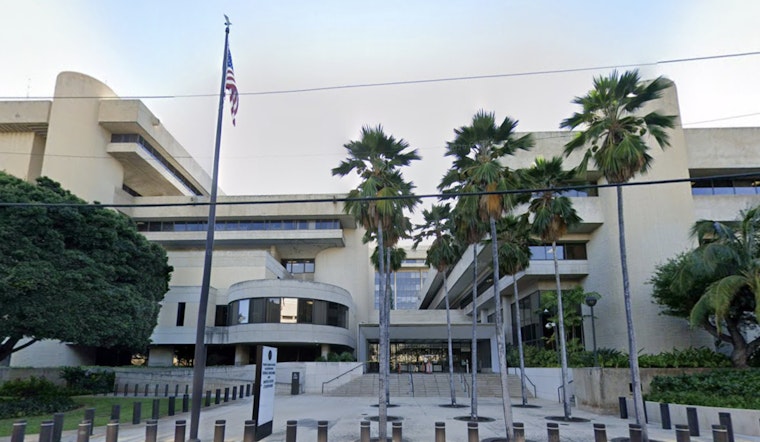
Richard Patterson Jr., 44, of Norco, California, was sentenced Tuesday in federal court in Honolulu to 68 months in prison and ordered to pay roughly $2.03 million in restitution after admitting he helped run a multimillion-dollar investment scam that took money from more than a dozen people and then skipped a court date.
According to the U.S. Attorney's Office for the District of Hawaii, Patterson also received three years of supervised release. Prosecutors say he admitted in an August 2025 plea agreement that he and two coconspirators carried out an "advance payment scheme" in which they collected upfront investments they claimed would be placed into lucrative deals, then never invested the funds. The office noted that the FBI investigated the case and that prosecutors in Honolulu handled the matter.
How the advance-payment pitch worked
As described in court filings and in a social media post from US Attorney Hawaii, Patterson and his co-defendants, Dashawn Hill and Judy Ramos, solicited upfront investments that ranged from $5,000 to $550,000 and dangled supposed returns of 200% to 1,000%. Those eye-popping gains never materialized. Instead, prosecutors say, the trio used investor cash for rent, travel, entertainment and luxury purchases.
Authorities say Patterson sometimes went so far as to adopt the alias "Xavier Carter" and use a fake accent while pitching would-be investors, an effort to sound more credible and sophisticated as he closed the deals. In all, the government says, the group defrauded victims of more than $2 million.
Arrest and court timeline
The alleged scheme first surfaced publicly in a 2022 federal indictment. According to the U.S. Attorney's Office in Hawaii, Patterson and his co-defendants falsely claimed they were operating a Swiss-registered financial business, using that story to gain investors' trust and pry loose large payments.
A week before Patterson's federal trial was set to start in October 2024, prosecutors say he failed to show up for two in-person hearings, cut off communication with his lawyer and fled the Central District of California. He was later arrested in the Southern District of California and sent back to Hawaii to face the charges. Co-defendants Hill and Ramos have pleaded guilty and are scheduled to be sentenced this spring.
Legal note
Patterson pleaded guilty to conspiracy to commit wire fraud. Under federal law, wire fraud can be punished by up to 20 years in prison, according to Cornell Law School. Failing to appear in federal court is treated as a separate crime that can bring additional, consecutive prison time depending on how serious the original charges are, per a Congressional Research Service overview of federal bail and related statutes.
The U.S. Attorney's Office says restitution will be paid to identified victims and the court will oversee collection efforts and post-release conditions as part of Patterson's sentence. Authorities continue to urge anyone approached with investment pitches that sound too good to be true to report them to law enforcement and financial regulators.





