

























































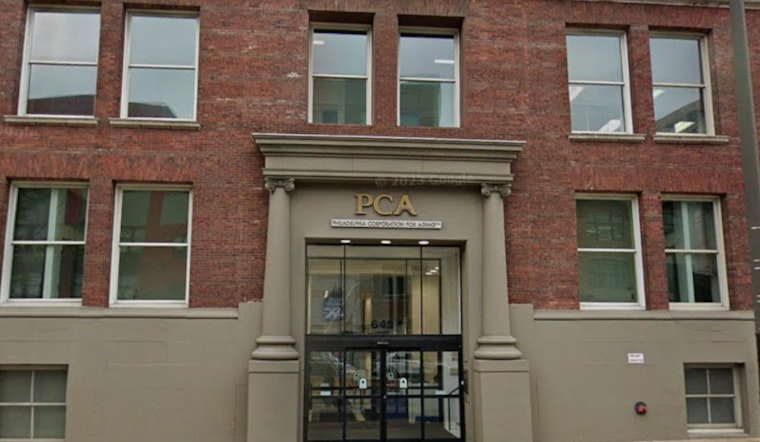
The Philadelphia Corporation for Aging is gearing up to turn a long-vacant five-story factory on North Broad Street into roughly 70 accessible apartments for people 62 and older, with an on-site community center that would be open to seniors from across the city. The former Snellenburg’s clothing factory, sitting just behind PCA’s Wallace Building, has been empty for decades and would be the nonprofit’s first-ever development project. Officials estimate the adaptive-reuse plan at about $33 million, though the effort still needs financing and multiple approvals. PCA leaders say the goal is to preserve historic features while modernizing the interior for older residents.
As reported by WHYY, PCA is partnering with California-based nonprofit developer HumanGood and plans to apply for Low-Income Housing Tax Credits to pull in public subsidies. Early design concepts show up to 12 one-bedroom units per floor and a dedicated senior space on site. PCA executives previewed the proposal at a public informational meeting and said they will pursue a mix of city, state, and federal funding to make the numbers work.
“We are applying for every conceivable funding source,” PCA Chief Operating Officer Laura Weinbaum told WHYY. According to the nonprofit, applicants would need to earn between roughly 20% and 60% of area median income, about $16,000 to $50,000 for an individual, and tenants are expected to pay about 30% of their monthly income in rent. PCA says the development would create up to 70 accessible homes for older adults while keeping operating costs manageable through subsidies.
Historic Shell, Local Ownership
The building is listed on the Philadelphia Register of Historic Places as the Snellenburg Clothing Factory, a status that could shape preservation requirements for any rehab. According to the Philadelphia Historical Commission, the property appears as 642-48 N. Broad St. The Philadelphia Corporation for Aging also lists 642 N. Broad Street as its Wallace Building headquarters on its contact page. Balancing historic constraints with accessibility upgrades will be an early design challenge for the project team.
Fitting Into Bigger Housing Pushes
The Broad Street proposal lands as the city prepares to issue $400 million in bonds for the first phase of its H.O.M.E. initiative, an effort aimed at creating and preserving 30,000 housing units. The plan, described by the City of Philadelphia, outlines bond issuances and programs intended to expand affordable housing capacity across neighborhoods. At the state level, Governor Josh Shapiro’s new Governor Josh Shapiro Housing Action Plan, which includes a proposed $1 billion Critical Infrastructure Fund in his budget, signals additional potential public support for projects that adapt existing buildings for affordable homes.
There is no firm construction timeline yet. PCA officials say they will only move forward after securing tax credits and subsidy packages. Community meetings and the city’s permitting process will shape the project’s final design, and local advocates say they want assurances about long-term affordability and preservation of the building’s character. If financed, the conversion could become a model for nonprofit-led adaptive reuse serving Philadelphia’s growing population of low-income older adults.




