

























































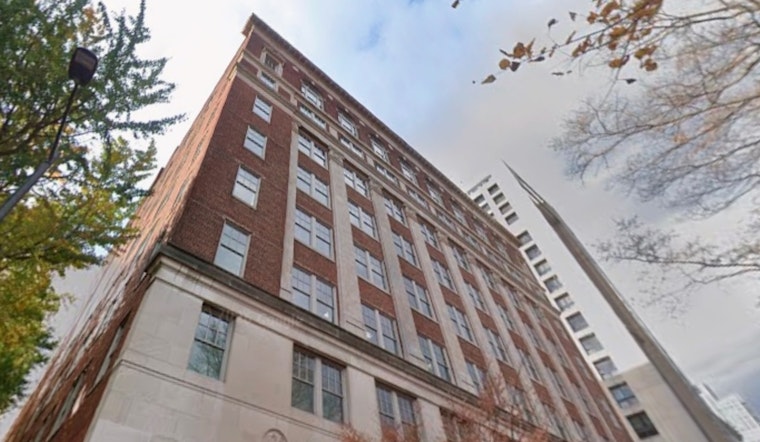
New York developer Gary Barnett has slipped into the Philadelphia market with a quiet but attention-grabbing move: Extell Development has bought the century-old office tower at 436 Walnut Street in Old City for roughly $30 million. The 12-story building, long home to Chubb’s local operations, now sits in the hands of one of Manhattan’s most prolific builders, alongside a local Philadelphia partner. The property is landmarked and packed with office space, which means any overhaul will have to thread the needle between historic protections and what the market actually wants right now.
Deal details and price
According to The Philadelphia Inquirer, Chubb sold the 330,000-square-foot building for about $30 million, or roughly $90 per square foot, a discount to its most recent assessed value. The Inquirer reports that Extell teamed up with Philadelphia-based Chevron Property Holdings for the acquisition and that Chubb is consolidating into Parkway Corporation’s new tower at 2000 Arch Street. The pricing suggests Barnett was not chasing a shiny, fully leased trophy, but rather a value play aimed at conversion or a strategic repositioning.
What the building offers
The property was pitched to buyers as a full-scale redevelopment opportunity. JLL highlights its large, flexible floor plates, abundant windows on every level, CMX-4 zoning and the potential to tap a 10-year real estate tax abatement tied to redevelopment work. Originally built in the 1920s and renovated in 2005, the 12-story structure has the kind of footprint and light that can be carved into apartments, condos, a boutique hotel or refreshed as modern office space, depending on how Extell wants to play the hand.
Preservation limits and options
The building sits inside the Society Hill historic district and is protected from demolition, which rules out a full teardown but still leaves plenty of room for adaptive reuse, according to The Real Deal. That outlet also notes that a JLL team including Jim Galbally, Brett Segal and Francis Coyne marketed the tower specifically as an office-to-residential conversion candidate. On paper, Barnett’s menu is simple: upgrade the office interiors, convert all or part of the floors into housing, or pursue a hotel that can respect the façade and historic rules. In practice, every one of those paths will have to pass muster with preservation officials and neighborhood stakeholders.
Chubb’s move and the wider picture
Chubb is shifting its Philadelphia operations to a new Parkway Corporation building at 2000 Arch Street, a project the company says will create about 1,250 new jobs and become its largest U.S. office, according to Chubb. Chubb and local coverage indicate the Parkway tower is set to open soon, clearing the way for the Walnut Street building to hit the market. Industry reporting from Bisnow places the new project’s scale and timeline in context and outlines the public incentives that helped seal the deal.
Barnett’s broader strategy
Extell’s Philadelphia move is just one piece of Barnett’s larger chessboard. Earlier this year, The Real Deal reported that Extell was in contract on a major Midtown Manhattan assemblage at 405-415 Park Avenue and was in talks to acquire 110 East 55th Street. Taken together, those plays show a developer still hunting large, complex sites in multiple cities. By comparison, the 436 Walnut purchase looks like a tactical, lower-cost entry into Center City, where reworking older office stock can be more feasible than breaking ground on something entirely new.
For Philadelphia, the sale underscores that national developers still see upside in downtown office buildings, even as the sector wobbles. The upside, however, comes with a local filter. Neighborhood groups, the Historical Commission and city planners are all likely to weigh in as Extell moves from acquisition to actual plans, and observers will be watching for the first signs in public filings, zoning submissions and any moves to tap tax credits or abatements tied to the project.





