

























































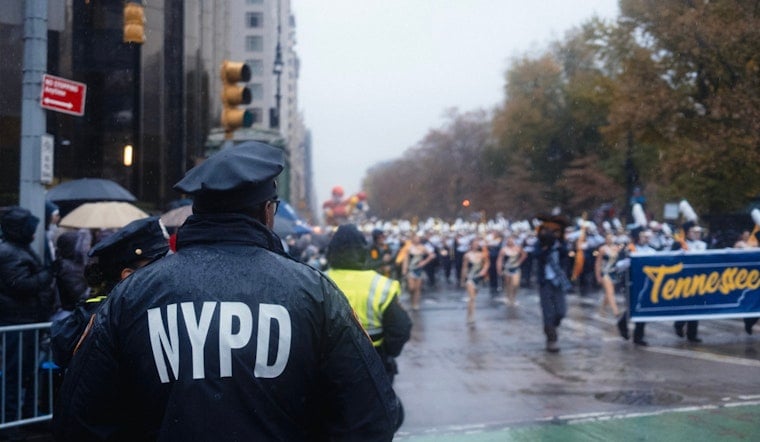
After years of rolling out crisis intervention training to NYPD patrol officers, New York City is still seeing 911 mental health calls end in shootings and deaths. Families, advocates and city officials say the pattern shows training alone is not stopping fatal encounters and is sharpening the fight over who should respond when someone is in crisis.
What a recent review found
A review by The City identified at least eight incidents since 2019 in which officers who had completed Crisis Intervention Training shot or Tased a person during a 911 mental health call. Six of those encounters ended in the person’s death. The reporting links those cases to gaps in 911 dispatch and to the limited availability of non-police crisis teams.
Key cases
In Queens, a Jan. 26, 2026 family call for an involuntary medical transport ended when officers shot 22-year-old Jabez Chakraborty multiple times after he advanced with a knife, according to prosecutors. The Queens District Attorney’s Office later indicted Chakraborty on attempted assault and weapon charges. The charging document is posted by the Queens District Attorney’s Office, while on-scene details were reported by CBS New York.
Another closely watched case involves 19-year-old Win Rozario, who was shot and killed by officers during a mental health episode in March 2024. The Civilian Complaint Review Board later substantiated multiple misconduct charges against two officers. Gothamist and other outlets have detailed the oversight findings and the Attorney General reviews that followed.
In Astoria, body-worn camera footage released by the New York State Attorney General’s Office shows the April 14, 2025 encounter that left 60-year-old King Wong dead. The Attorney General’s Office of Special Investigation published the footage as part of its ongoing investigation. That release is posted by the New York Attorney General's Office, with additional local reporting from the Queens Daily Eagle.
These incidents sit alongside other cases where watchdogs later found abusive or excessive force. In one example, a panel of the Civilian Complaint Review Board substantiated excessive-force findings in a March 2023 Bronx shooting. Advocacy groups described those CCRB findings in a press release from New York Lawyers for the Public Interest. Federal court records also show the city agreed to a seven-figure settlement in the 2020 Whitestone tasing death of George Zapantis. The court order approving the settlement is available in the U.S. District Court docket.
Numbers and training
The NYPD folded Crisis Intervention Training into its police academy curriculum several years ago. A 2017 report from the city’s Office of the Inspector General for the NYPD documented the program’s early rollout and its limits; that report is posted by the NYC Department of Investigation. Department records reviewed by reporters indicate that tens of thousands of officers have now completed some form of CIT. The most recent city figures put the number at roughly 22,360 officers, or about two-thirds of uniformed personnel. Those numbers have not prevented the high-profile lethal outcomes described above.
The same review found that in the first half of fiscal 2026, roughly 86% of 911 mental health calls in pilot areas still triggered a police response. Those figures are detailed by The City.
Where reform stands
The mayor’s plan to move many mental health responses out of uniformed hands, build a Department of Community Safety and expand the city’s B-HEARD teams was a central campaign promise. The recent shootings have only raised the stakes. Reporting on that push, and on the tight footprint of B-HEARD’s current pilot, appears in City & State.
City data briefs on B-HEARD’s early operations show that the program currently covers only a subset of precincts and screens many calls out as ineligible. Those briefs are published by the Mayor’s Office of Community Mental Health.
Legal and oversight fallout
The encounters described here have produced a mix of criminal and administrative responses. Prosecutors in Queens have brought charges in the Chakraborty case. Oversight bodies have substantiated misconduct claims in other incidents, and the state Attorney General’s Office of Special Investigation has opened or wrapped inquiries into multiple fatal encounters.
The result is a patchwork. Some cases end with indictments, others with no criminal referral at all, and still others with CCRB recommendations that remain subject to NYPD review. That uneven record is complicating demands for a clear, consistent accountability system. For a sense of how oversight and prosecutorial reviews can diverge, see the Queens DA charging packet alongside the CCRB and advocacy coverage summarized by Gothamist.
What reformers and officials say
Advocates argue the pattern shows the limits of giving patrol officers a few days of crisis training while leaving them as the default responders. They are pushing for a much broader civilian crisis system. Some city officials counter that better triage at 911 and more clinician-led teams could keep police away from calls where a health-first response makes more sense.
Mayor Zohran Mamdani has signaled that he plans to speed work on the Department of Community Safety and expand non-police crisis teams. He and his advisers also acknowledge that there are still serious operational and budget questions about how, and how quickly, to change who shows up to the most volatile calls. Those plans and their limits are explored in City & State.
Across the reporting and oversight records, one theme keeps coming back: training helps, but it does not settle the hard question of who should answer a distress call. With large numbers of officers trained in CIT but most mental health calls still drawing a police response, city leaders now have to decide whether to keep betting on de-escalation within a police model or to accelerate a shift that sends clinicians and peers to handle routine crises instead.





