

























































Olympia is putting the screws to commercial AI. On Tuesday, Washington's governor signed two new laws aimed at pulling back the curtain on artificial intelligence and tightening safety rules for chatbots that act like digital buddies. One law focuses on making AI-generated or heavily edited content traceable, while the other piles on disclosure rules, bans sexually explicit chats with minors and mandates crisis-referral systems. Fans of the laws say they are overdue guardrails for kids and truth online, while critics see brittle tech fixes that could invite lawsuits.
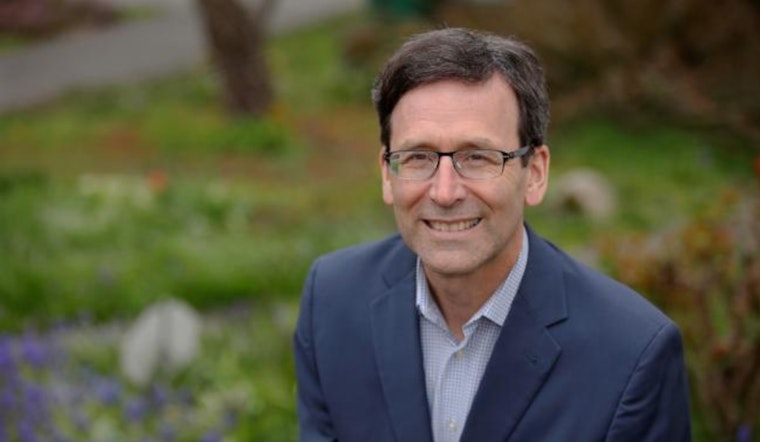
As reported by KUOW, Gov. Bob Ferguson signed the bills on Tuesday and explicitly pointed to large AI outfits such as OpenAI and Anthropic as covered by the new rules. Ferguson told KUOW that "it is virtually impossible these days" to tell whether something online is AI-generated, framing the legislation as a direct answer to fast-moving deepfakes and other real-world harms.
New rules for AI companion chatbots
House Bill 2225 zeroes in on AI companion systems that can carry on ongoing, personalized conversations. It requires operators to give users a clear, easy-to-spot notice that the chatbot is not a human being at the start of every session and at least once every three hours if the conversation keeps going. If the operator knows the user is a minor, that reminder has to pop up at least once every hour.
The bill also bars these chatbots from posing as humans at all, forbids sexually explicit conversations with anyone under 18 and bans manipulative engagement tactics that are designed to build emotional dependency. On the safety front, operators must maintain protocols for detecting self-harm or suicidal ideation, refer users to crisis resources when those red flags appear and publicly disclose both the crisis-detection protocols and the number of referrals made. For the full statutory language, see the official text on the Washington Legislature site.
Violations of the chatbot law are treated as unfair or deceptive acts under Washington's Consumer Protection Act, giving the state leverage to go after operators that fall short. The Washington Legislature text lays out the definitions, disclosure duties and enforcement terms that will guide how companies redesign or geofence their companion tools for Washington users.
Traceability for AI-generated content
House Bill 1170 takes aim at the provenance of AI-generated content. It applies to covered providers, defined as those with more than 1,000,000 monthly users in Washington, and requires them to offer an AI-detection tool at no cost. It also obligates them to support disclosures, such as visible watermarks or embedded metadata, so that substantially modified content can be traced back as AI output.
The legislative summary spells out definitions for provenance and metadata and gives the Attorney General authority to enforce the law. It also builds in an opportunity for covered providers to cure potential violations before civil actions move forward, in an attempt to keep the rollout at least somewhat practical. According to the legislature's summary, HB 1170 is aimed squarely at the biggest consumer-facing systems first, with enforcement designed to keep pressure on the major players. The House bill summary includes the committee analysis and sponsor language that framed the debate for lawmakers.
Industry concerns and technical limits
Lawmakers did not get a rosy picture of the tech. During committee hearings, the House report bluntly noted that "there is no foolproof method to watermark content in a way that cannot be removed," and opponents warned that the mandated fixes could be clunky in practice or tangle with the First Amendment. Outside legal commentary has delivered similar caveats, pointing out that watermarking and metadata schemes can often be stripped, altered or routed around, which raises questions about how these rules will fare once bad actors, or courts, really go to work on them.
For a wider view of how Washington's move fits into the national puzzle, legal analysts tracking AI laws state by state have been stressing that watermarking is at best a partial solution and that the details of enforcement will make or break real-world impact. Analysts at law firm BCLP highlight both the promise and the limits of the technical steps lawmakers are embracing.
What this means for Washingtonians
The chatbot law kicks in on Jan. 1, 2027, giving companies a long runway to retool products, disclosures and compliance programs. Violations will be enforced by the Attorney General under the Consumer Protection Act. The content-provenance law follows the standard post-session timing described in the legislative summary, and both measures are built to land hardest on the largest providers, leaving smaller startups facing fewer immediate burdens.
Ferguson has pitched the package as a way to protect families without grinding innovation to a halt. He wants Washington residents to be able to believe what they are seeing online, according to KUOW. The new laws now become an early test of whether state-level rules can force transparency and safety into commercial AI products, while also setting up the next round of technical and legal fights as the industry responds or pushes back.





