

























































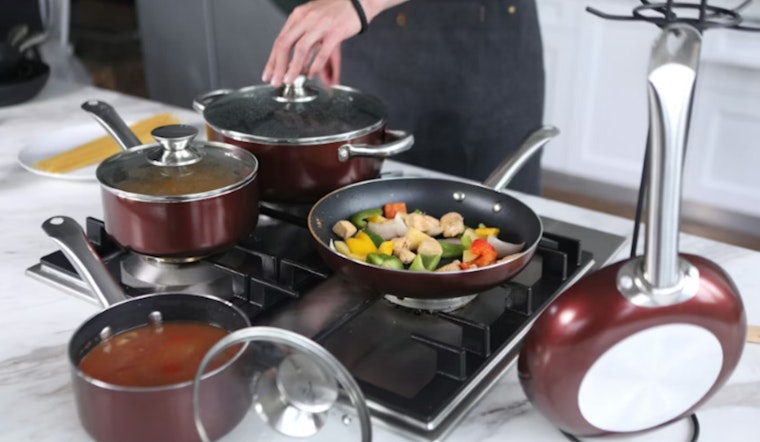
Washington lawmakers in Olympia just hit pause again on the state’s toughest limits on lead in cookware, backing a rewrite that narrows which pots and pans are covered and hands key testing and enforcement decisions to state regulators. It is the second major revision to a law originally touted as a crackdown on lead in kitchen gear, and it keeps interim standards in place while agencies and manufacturers sort out how to test and comply. Public‑health advocates warn that every extra year of delay means more potential exposure for kids and other vulnerable residents.
Senate vote and the bill advanced
The state Senate advanced Engrossed Substitute Senate Bill 5975 after a floor vote that critics say weakens protections. As reported by Toxic‑Free Future, senators approved the measure on a 42‑7 vote. The substitute bill would limit the law to certain aluminum and brass cookware and direct the Department of Ecology to collect data from manufacturers and develop test methods. Supporters say that approach creates standards regulators can actually enforce, while opponents argue it postpones clear, health‑based limits that were supposed to be the backbone of the original law.
How the law has shifted since 2024
Washington first passed a ban in 2024 that capped lead in cookware at five parts per million. In 2025, lawmakers amended that law after industry and technical questions surfaced, choosing to phase in the requirements instead of flipping a fast switch. Those 2025 changes set a temporary 90 parts per million limit for certain items manufactured after Jan. 1, 2026, and aimed for a tighter 10 ppm target to follow later, as described in the bill report for SB 5628. The new ESSB 5975 would again revise the framework by narrowing which products are covered and shifting responsibility for test methods and future limits to Ecology, instead of relying on a single near‑term numeric standard that applies across all cookware.
What supporters and opponents say
Supporters of the rewrite contend that regulators and manufacturers need more time and flexibility to agree on test methods and enforcement details before a strict numerical cap is imposed. Without that, they argue, the state could end up with a law that looks tough on paper but is nearly impossible to implement in the real world.
Opponents, including several community‑based public‑health organizations, counter that King County testing and peer‑reviewed research have already shown some imported aluminum cookware can leach dangerous levels of lead under normal cooking conditions. Every delay, they say, leaves families using products that might contaminate their food. The fight has split public‑health voices and industry witnesses in committee hearings, with the core argument focused on how to balance trade concerns and enforcement logistics against the push for rapid, preventive health protections.
Timeline and what comes next
Lawmakers are working under a 60‑day session that is scheduled to adjourn on March 12, 2026, which gives them days, not weeks, to hammer out final language. The House still has to take up the measure, and any version that clears both chambers would head to the governor for a signature or a veto. As the Washington State Medical Association notes in its session calendars, March 12 is the scheduled sine die for this short session.
What it means for shoppers and public health
Until regulators spell out enforceable test methods and rules, retailers and home cooks are left with a murky picture of which pots and pans meet the spirit of the law and which ones might be quietly skating by. Research in peer‑reviewed publications and testing by regional public‑health programs have documented imported aluminum cookware that can leach lead at concerning levels during typical use, which is why advocates originally pressed for quick and tight limits.
The Department of Ecology currently maintains guidance on the cookware law and is identified in the proposed substitute as the agency that would handle evaluations, data collection and rulemaking. How aggressive that rulemaking becomes will determine whether Washington ends up with one of the strongest lead standards in home kitchens or a watered‑down version shaped heavily by enforcement concerns.
The latest Senate vote has re‑energized calls from health advocates for clearer, near‑term protections, while some industry groups are doubling down on demands for testing standards they say are realistic and consistent. With the clock ticking on the 60‑day session, legislators now have to decide whether to lock in this rewrite or keep tougher numeric limits closer to what they initially promised. Local reporting first highlighted the vote and the tight timeline, and we will be watching what happens in the House and on the governor’s desk.




