

























































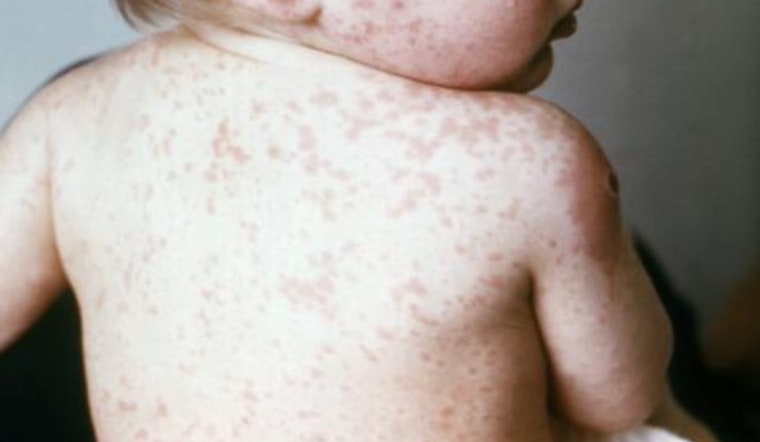
Doctors at Children’s Hospital of Orange County have detailed the devastating case of a 7-year-old boy who died after developing subacute sclerosing panencephalitis (SSPE), a progressive brain disorder that is almost always fatal and can appear years after a measles infection. The child first caught measles as an infant, then years later went through months of worsening seizures and cognitive decline as medical teams documented his clinical course for a formal case report.
The case was described in a report published in the New England Journal of Medicine and later covered by national outlets. As reported by Vice, the boy had measles at seven months old, eventually lost the ability to speak, showed extensive brain damage on MRI, and died within a year after his first symptoms of SSPE appeared.
What SSPE Is and How Rare It Is
Subacute sclerosing panencephalitis is a delayed complication of wild-type measles infection that typically surfaces years after the original illness and is almost always fatal once symptoms begin. The Centers for Disease Control and Prevention estimates that SSPE occurs in roughly 4 to 11 out of every 100,000 measles infections. The risk is higher when measles strikes very young children, with published analyses showing elevated rates when infection happens before age 5. Symptoms can include personality changes, progressive cognitive decline, and myoclonic seizures, and there is no reliably effective cure.
Local Response and Hospital Context
Physicians involved in the case, who practice at CHOC, outlined the boy’s clinical trajectory in the medical report. At the same time, Orange County public-health officials have been urging residents to stay alert as measles continues to surface in California communities. In a January news release, the OC Health Care Agency warned that measles is highly contagious and emphasized that vaccination remains “the best protection.”
Where This Fits in the Bigger Picture
The case report lands amid a national uptick in measles activity. The CDC reported 1,281 confirmed measles cases in 2026 as of March 5 and documented 2,283 confirmed cases for the full year 2025. Public-health experts point to falling local immunization coverage as a key vulnerability, and the CDC’s data show kindergarten MMR coverage dropped to about 92.5% in the 2024–25 school year, under the roughly 95% level generally considered necessary to prevent sustained outbreaks.
New Exposures in Sacramento
Sacramento County officials warned this week that an unvaccinated, infectious child attended an educational enrichment program and may have exposed more than 100 other children. The report prompted a temporary closure of the program and the launch of contact tracing. Local reporting summarized the county advisory and the steps public-health teams are taking to notify families and offer guidance on testing and preventive treatment.
What Parents Should Know
Public-health guidance remains straightforward. The routine MMR schedule calls for a first dose at 12–15 months of age and a second dose between ages 4 and 6. Infants 6–11 months old who will travel internationally can receive an early dose before leaving the country. Parents who think their child may have been exposed are urged to call their medical provider before showing up in person so clinics can prepare appropriate precautions and advise on testing or post-exposure options, in line with county guidance.
The newly published case offers a stark reminder that measles can leave a long and lethal aftermath well beyond the initial rash. Clinicians and health officials say the clearest defense is keeping community vaccination levels high to shield infants and others who are not yet fully immunized.





