

























































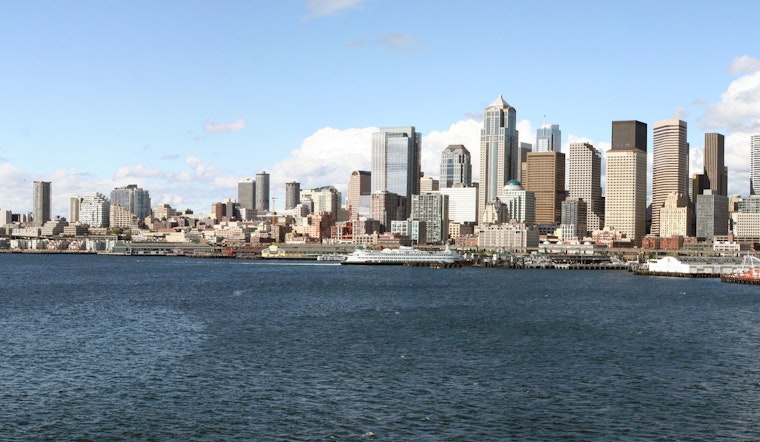
Three orcas turned Seattle’s working waterfront into a whale‑watching hot spot Monday morning, cruising deep into Elliott Bay and hugging the Port of Seattle’s container wharves as a few lucky onlookers scrambled for a better view.
The tip came in fast from a local texter, transforming a stretch of piers and cranes into an impromptu lookout as residents and mariners scanned the water for dorsal fins cutting between shipping lanes and shore.
According to West Seattle Blog, the texter reported “three orcas in Elliott Bay, ‘way in next to container wharves’.” The brief post went up at about 8:55 a.m. and asked readers to send in any additional sightings or photos. At the time, that single eyewitness note was the clearest on-the-water account available.
Orca Network's public sightings log shows multiple orca passes through Elliott Bay in recent days, with small groups reported close to West Seattle and near the bay's north end earlier in the weekend. Those community-submitted entries, from people on land and boats, are often the first indicators researchers and the public use to track whale movements. Observers are asked to include the time, number of animals, and photos when possible to help with identification.
Which Orcas Are Likely Visiting the Working Waterfront?
Most of the whales that swing through Elliott Bay are Bigg’s orcas, the transient, mammal‑eating ecotype, rather than the salmon‑dependent Southern Residents. They typically show up in small family groups while hunting seals or porpoise. The Encyclopedia of Puget Sound details these ecotype differences, and Scientific American has recently summarized research on how the two groups differ in diet, behavior, and habitat use.
How To Watch Responsibly And Where To Report Sightings
Boaters, kayakers, and beachgoers are urged to follow Washington's Be Whale Wise guidance along with the state's vessel‑approach rules: give whales plenty of space and keep noise and wake to a minimum. The Washington Department of Fish and Wildlife publishes safe viewing resources and recommends reporting sightings through the WhaleReport app so officials and researchers can respond appropriately. If you spot harassment or a distressed animal, NOAA Fisheries provides enforcement guidance and a hotline for reporting potential violations.
Photos and videos from shore are especially valuable, since researchers identify individual whales by dorsal‑fin shapes and saddle‑patch markings. If you capture images, upload them to Orca Network or include them in a WhaleReport submission so scientists can track which family groups are moving through the city’s waters. When sharing, include the time, location, and an estimate of how many animals you saw.
For now, Monday's visitors appear to have slipped back out of the bay without incident. Still, that brief cameo alongside container cranes is a pointed reminder that Seattle’s industrial shoreline is stitched tightly to the rest of the Salish Sea. We will update if agencies or sighting networks release additional confirmations or images.




