

























































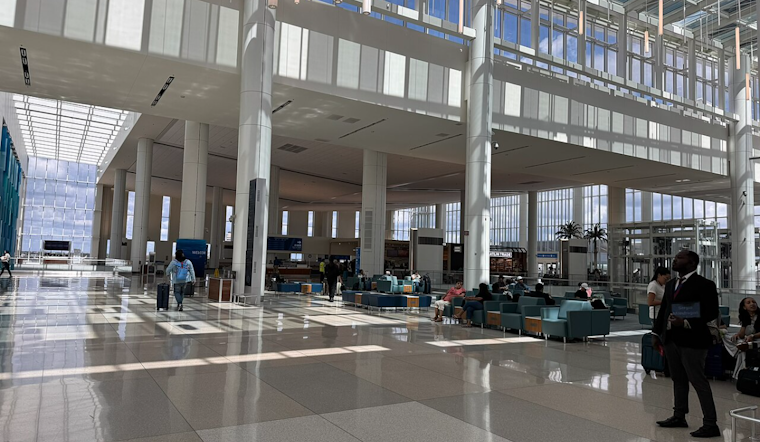
Some Frontier Airlines passengers at Orlando International Airport say a missed flight, a long TSA slog, and a disputed $99 rebooking charge escalated so badly that airport police were called in. Video of the tense back-and-forth has been recirculating online this week, putting the January dust-up back in the spotlight.
According to the New York Post, the group was flying from Orlando to St. Louis on Jan. 16 and said they showed up at the airport roughly two hours before departure. They report spending about 90 minutes in the check-in line. Passengers in the video claim Frontier marked them as no-shows because they had not reached the counter at least one hour before takeoff, and then told them they would each have to pay a $99 fee to rebook.
Travel writer Gary Leff covered the footage for View From The Wing, noting that agents treated the travelers as if they were simply late instead of handling the situation as an involuntary bump that could trigger compensation. He reports that some staffers bluntly told customers to "pound sand" and to "talk to the cops." In clips shared in his post, a passenger insists, "my flight is at 6 o'clock," while an agent replies that the check-in cutoff had already passed.
Frontier’s rules in plain terms
Frontier’s own airport guidance tells customers to arrive at least two hours before a domestic flight and warns that check-in and bag drop close 60 minutes before departure. According to Frontier, those cutoffs drive its no-show determinations and rebooking policies, a setup that becomes especially contentious when counters and kiosks are swamped.
Why long TSA lines complicate the math
Travel experts say those rigid clocks can leave passengers stranded when check-in and security melt down at the same time. The Points Guy notes that each airline handles missed flights differently and stresses that missing a check-in deadline is not the same as being involuntarily bumped after you have already checked in. In other words, even if you reach the airport early, you can still lose out if there are not enough agents or working kiosks to move the line.
When the law steps in
Federal rules require airlines to compensate travelers when they are involuntarily denied boarding after being properly checked in. The U.S. Department of Transportation spells out the oversales and bumping standards, including minimum payouts that carriers must offer in those situations. The agency also explains that these protections generally cover passengers who made it through check-in but were then refused a seat, not people who never cleared the airline’s check-in cutoff. Travelers can consult the DOT’s bumping and oversales guidance for the fine print.
For anyone caught in a similar bind, consumer advocates recommend documenting when you arrived at the airport, asking TSA whether they can note security line or screening issues, requesting a supervisor at the ticket counter, and trying to rebook immediately through the airline’s app or customer service line. If you end up buying another ticket, keep every receipt, then follow up with Frontier, file complaints with both the airline and the DOT, and check whether your travel credit card offers trip delay or interruption benefits.
Frontier did not provide compensation to the customers involved in the Orlando dispute, the New York Post reports. The episode highlights how a mix of staffing shortages and security bottlenecks can turn routine cutoffs into expensive surprises for travelers.





