

























































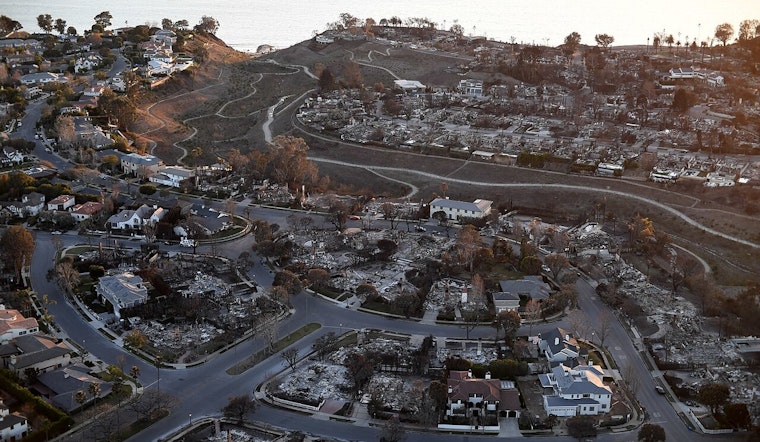
Frustration over California's insurance meltdown spilled into the open in Pacific Palisades on March 27, as leading candidates for state insurance commissioner promised fast action on the FAIR Plan and the way California reviews rates and claims. At a small Palisades Recovery Coalition forum, they told local fire survivors that the next commissioner has to tighten consumer protections while also making it realistic for insurers to start writing more policies again.
Local forum, national stakes
Roughly 30 people showed up to the Palisades gathering, where Ben Allen, former Sen. Steven Bradford, financial analyst Patrick Wolff, and Merritt Farren were among an 11-candidate field taking questions. Attendees pressed them on everything from smoke-damage claims and steep rate hikes to how, exactly, the state plans to shrink the FAIR Plan and get homeowners back into the private market. They also wanted answers on why so many residents have been pushed into the FAIR Plan and whether deeper structural fixes are overdue, according to the Daily News. Organizers said Jane Kim did not attend, and several Republican contenders skipped the session.
What candidates pitched
Allen argued that neighborhood-scale prevention work, paired with quicker, more modern rate reviews, could help lower wildfire risk and reopen access to private coverage. Bradford told attendees he believes the Department of Insurance needs to force far more transparency into both rate filings and how insurers handle claims. Wolff floated the idea of public "claims report cards" that would grade carriers on how they treat policyholders.
Farren, who lost his own Palisades home in the Jan. 7, 2025, firestorm, called for a state reinsurance authority, Cal Reinsure, that would pull wildfire exposure off private companies' books and park it in a public backstop. Those positions are laid out in candidate Q&As and campaign materials, according to Capitol Weekly and the Merritt Farren campaign site.
Why the FAIR Plan matters
The FAIR Plan, California's insurer of last resort, has swollen in size as private carriers pulled back after last winter's destructive blazes, leaving growing numbers of homeowners with only the state backstop. Industry filings show the plan carried more than 668,600 homeowner policies at year-end 2025, according to Insurance Business. In a separate filing with regulators, the FAIR Plan requested an average 35.8% rate increase for dwelling fire and allied lines, a move reported by BeInsure.
Regulatory fights and the State Farm deal
All of this has regulators under intense pressure. The California Department of Insurance recently announced a settlement with State Farm and consumer advocates that locked in a 17% interim homeowners rate increase while also ordering refunds and other adjustments for certain policy types. The department detailed the agreement in a press release and said it also extended a moratorium on some nonrenewals, according to the Department of Insurance.
At the same time, consumer groups have gone to court over what they describe as cost-shifting tied to wildfire losses, and lawsuits are challenging surcharges connected to FAIR Plan funding, according to the AP.
What voters should watch
The insurance commissioner sets the rules that shape premiums, claims handling, and whether insurers stay in California or walk away, which means the next commissioner will largely control the pace of any market repair. The top contenders are now headed toward the June 2, 2026, primary, with the general election set for Nov. 3, 2026. Key dates and deadlines are listed on statewide voter guides and election calendars; for specifics, see election resources.
What this means for homeowners
For homeowners, the decisions are not theoretical. Many are choosing between staying on the FAIR Plan, with higher costs and limited coverage, or hoping private carriers will come back once wildfire risks are better priced and spread. At the Palisades forum, candidates offered competing fixes, from Cal Reinsure and tougher oversight to consumer-facing data tools, while survivors pressed for faster answers on claims and clearer, more predictable rules for insurers. Coverage of the event highlighted both the frustration and the range of proposed remedies, as reported by the Daily News.
The Palisades gathering underscored that insurance policy, not just politics, will determine how quickly neighborhoods recover from the Jan. 2025 blazes. Whoever wins the job in November will step into immediate pressure to balance market stability with faster, fairer outcomes for fire survivors.





.jpg)