

























































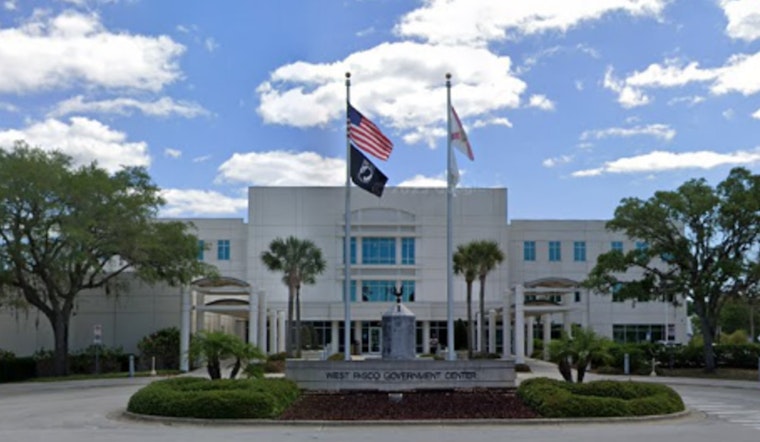
Pasco County commissioners have opened the door to a sweeping rework of how the county pays for parks, telling staff to pursue a dedicated taxing unit that would lock in a protected revenue stream. The idea is to finally secure money for long-planned facilities and basic upkeep on aging fields and amenities after years of stretched budgets. County briefing materials lay out a wish list that totals roughly a half-billion dollars in projects, including a roughly 300-acre "super park" in the Villages of Pasadena Hills that planners estimate at about $90 million.
Commissioners ask staff to craft the plan
In a recent board meeting, commissioners directed county staff to draft ordinance language and a strategic funding package to set up a municipal services taxing unit (MSTU) or similar dedicated taxing tool, as reported by Laker Lutz News. Supporters argued that a stand-alone fund would make park spending more transparent and keep maintenance money from getting crowded out as new complexes come online. Skeptics countered that the move could shift more of the load onto property taxpayers and pressed the county to coordinate with cities before anything is locked in.
Half-billion plan highlights the Villages ‘super park’
Reporting by the Tampa Bay Times says the proposed taxing unit would carve out a protected revenue stream for about $500 million in planned park projects, and notes that county materials peg the Villages of Pasadena Hills super park at about $90 million. Pasco County planning and recovery documents describe that project as roughly a 300-acre site programmed for multiuse fields, an aquatic facility, playgrounds and passive wilderness areas, underscoring the outsized scale of what planners have floated in public materials.
How much could it raise?
Staff presentations summarized for the board estimate that a fully funded parks MSTU could generate revenue in the low single-digit millions each year, roughly $8.2 million in one staff projection, according to a meeting summary. That would be a sizable boost compared with the parks department’s current general-fund allotment and is being used to model what a stable capital-and-maintenance stream might look like, alongside impact fees and other sources that would still help cover new construction.
What officials said and next steps
Supporters, including Commissioners Seth Weightman and Kathryn Starkey, said a dedicated unit would help safeguard parks funding as Pasco continues to grow, while opponents urged caution about tax impacts and stressed the need for buy-in from cities, Laker Lutz News reported. County staff are expected to return to the board with draft ordinance language, updated revenue projections and a sequencing plan for commissioners to pick apart. Those materials, along with upcoming meeting packets, will be posted in the county’s public board records. The next votes will determine whether the change is woven into the TRIM and taxing timeline or sent through additional stand-alone public hearings.
The board’s move shifts the parks debate away from one-off bond issues and impact-fee tweaks and toward a long-term funding framework that could shape both maintenance priorities and big-ticket projects for years. Residents and developers alike may want to keep an eye on the staff’s draft language and the next budget workshop to see exactly how much they would be asked to put into the new fund.





