

























































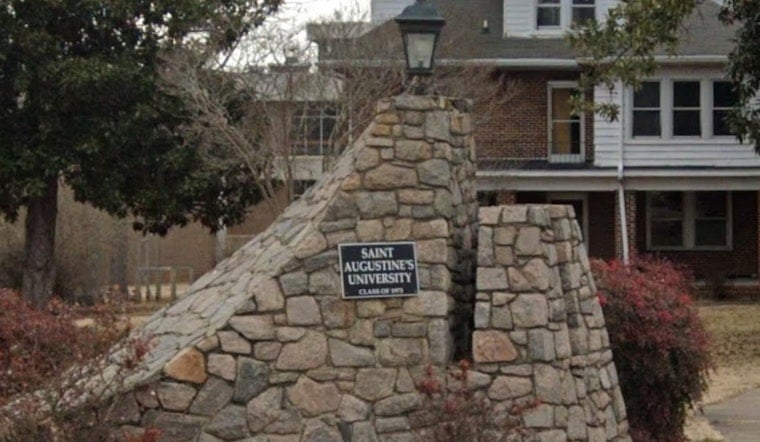
Saint Augustine's University says it has cut a deal with its accreditor and locked in a new lender, moves leaders hope will finally steady the fiercely beleaguered downtown Raleigh HBCU after years of crisis.
On March 28, 2026, the university announced it has reached a settlement in the lawsuit it filed last year against its accrediting agency and has formalized a financial partnership aimed at stabilizing the campus. The announcements follow more than two years of missed paychecks, tax liens and steep enrollment declines that put the school's accreditation and basic operations at risk. University officials framed the developments as a way to protect students and campus assets while legal and accreditation reviews continue.
According to Triangle Business Journal, the settlement resolves litigation the university brought in 2025 against the Southern Association of Colleges and Schools Commission on Colleges and is paired with news of a new financing partner. The outlet reported that the pact ends the university's direct legal challenge and sets terms designed to shore up Saint Augustine's finances.
Local reporting identifies the new partner as the Self-Help Venture Fund, a financing arm tied to fair-lending advocate Self-Help Credit Union. The fund has agreed to assume millions of dollars of the school's debt and to provide additional financing to cover tax liabilities and operating shortfalls. WRAL reported that the proposal would ease some of the prior loan's punitive provisions, lower interest, and place campus land in a protective trust, while also requiring governance changes as part of the package.
Background: Accreditation And Budget Crisis
The accreditor's board report shows that SACSCOC found multiple failures in governance, financial documentation and control of funds, findings that led to the decision to remove Saint Augustine's from membership. SACSCOC documented the removal vote and the standards cited. Reporting by WUNC has followed the fallout, noting that the university's headcount dropped to roughly 200 students and that it faces tens of millions of dollars in liabilities, including tax liens.
What The Lender Deal Actually Does
Documentation obtained by local news shows Self-Help assumed at least $7 million in debt previously owed to Gothic Ventures and proposed up to $30 million in financing to cover immediate obligations. WRAL reported that the new terms would reduce interest compared with the earlier Gothic loan, eliminate certain fees and require monthly financial reporting, measures supporters say lessen the immediate risk that campus property could be put at stake. The financing also came with a governance condition: several former board leaders who had remained in emeritus roles no longer appear on the trustees roster.
Legal Implications
Settling the school’s suit against its accreditor does not by itself restore accredited status, and Saint Augustine's has stressed that its standing still hinges on ongoing litigation and compliance work. Saint Augustine's University says it is operating under an injunction that preserves accreditation while courts consider the dispute. Accreditation is not just a prestige issue. Institutions must be accredited by a nationally recognized agency to participate in Title IV federal student aid programs, and the U.S. Department of Education's Federal Student Aid guidance spells out those eligibility rules. Federal Student Aid guidance clarifies that linkage.
Community Reaction And Next Steps
Alumni and community advocates have been outspoken about earlier financing arrangements, and lending experts told local reporters those terms appeared harmful. Martin Eakes described the Gothic loan as "abusive" and "predatory" in a WUNC interview. WUNC's coverage and other local reporting note that the state Attorney General reviewed proposed land-lease deals and required changes before some agreements could advance. Observers say the settlement and the Self-Help financing will ultimately be judged on whether they reduce Saint Augustine's liabilities and protect the campus for future educational use.
Officials have not released a detailed timetable for putting the new financing in place or for how SACSCOC will treat the settlement, but Triangle Business Journal reported that university leaders say the funds are intended to pay down debts and shore up operations while legal reviews continue. For Raleigh residents invested in the HBCU's fate, the near future looks less like a dramatic turning point and more like a grind of paperwork, regulator sign-offs and watching to see whether the promised money actually arrives.





