

























































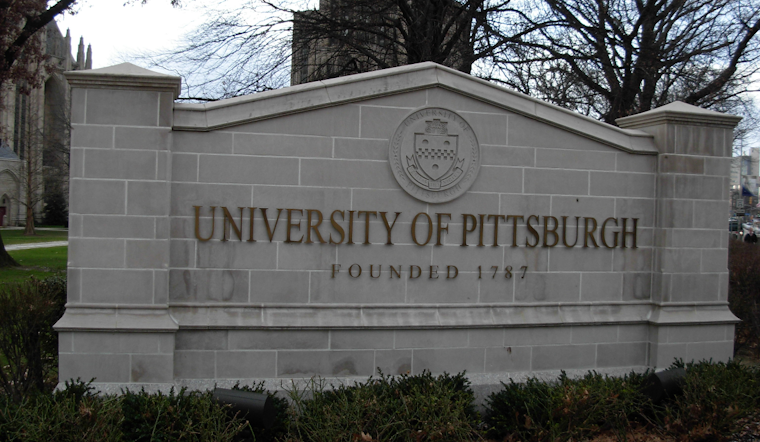
The University of Pittsburgh is taking its dental school on the road, launching a network of regional training centers to bring dental education and patient care into rural Pennsylvania. The first wave will serve Cambria, Crawford, and McKean counties, and university officials say some locations could see patients as early as this summer.
Kelly Wagner, the School of Dental Medicine’s assistant dean for clinical administration and quality care, told Spotlight PA that Pennsylvania is facing a rural oral health crisis, with residents who have the greatest needs often struggling the most to find care. The new centers are designed to allow students to complete their education and clinical work closer to home, with the hope that more graduates will stay and practice in their own communities.
How the Centers Will Work
The centers will offer a mix of degree and certificate options: a one-year general practice residency (GPR), a hybrid dental hygiene bachelor’s track, and a six-month dental assistant program. Each combines online coursework with in-person clinical training at local clinics, according to the University of Pittsburgh School of Dental Medicine.
Pitt lists three inaugural sites in Titusville (Crawford County), Bradford (McKean County), and Johnstown (Cambria County). The school says the dental assistant program’s first cohort is scheduled to begin on April 13, 2026.
Why Rural Pennsylvania Needs Them
State numbers highlight the gap. Just 17.9% of dentists in Pennsylvania provided direct patient care in rural counties in 2023, according to the Department of Health, even as the Center for Rural Pennsylvania reports that roughly 3.4 million residents live in rural parts of the state.
A 2023 study by the Legislative Budget and Finance Committee found that about 55% of dentists practicing in rural counties were 55 or older, a demographic tilt that raises near-term retirement and replacement concerns, according to the LBFC.
Local Partners and Scale
Pitt is teaming up with regional hospitals and federally qualified health centers to host clinics and supervise students as part of what university leaders describe as a place-based model. The idea is that if you build the training pipeline in the community, the workforce is more likely to stick around.
Rick Esch, president of Pitt’s Bradford and Titusville campuses, has described the effort as “homegrown” workforce development that creates nearby career pathways. University coverage notes that patient care at the first sites is slated to begin in July, with plans to expand to additional regions over the next several years, according to Pittwire.
What Success Will Look Like
Pitt plans to gauge the centers’ impact by tracking how many patients are served, whether locally trained staff remain in the community after graduation, and how often patients return for preventive care, Wagner told Spotlight PA. If retention improves and preventive visits go up, university leaders say the model could be extended to other underserved areas of Pennsylvania.
Program details, start dates and contact information are available on the Pitt Dental Medicine Regional Training Centers page at the University of Pittsburgh School of Dental Medicine. Prospective students and community partners can find enrollment and application information there. The school says additional RTC sites will be rolled out over the coming years as capacity and partnerships grow.





