

























































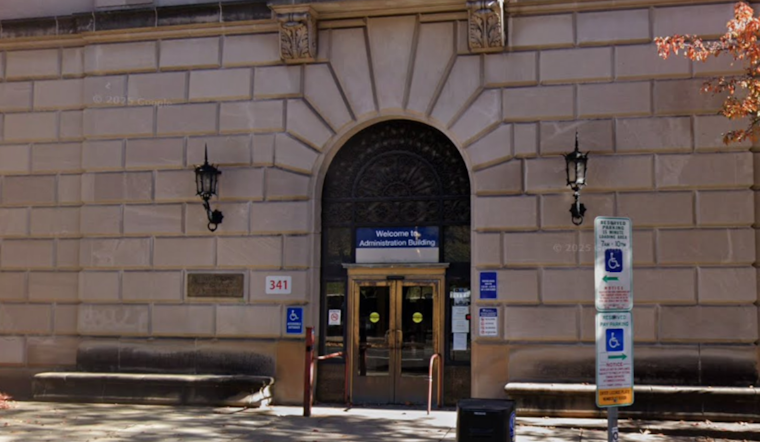
Pittsburgh City Controller Rachael Heisler is turning up the heat on the School District of Pittsburgh, arguing that weak bidding rules and the lack of a dedicated procurement office are costing students real money. Her office has released a case study that follows a single copier contract all the way back to 2016 and concludes the district repeatedly skipped competitive bidding. School board leaders say they are weighing policy changes, while stressing that the rock-bottom price does not always work when the district needs highly specialized services.
Case study: copier deal left money on the table
The controller’s case study lays out a timeline showing a five-year 2016 contract with The Wilson Group that totaled $6,179,940 and was later renewed in 2021 without a formal RFP. A competing vendor told district officials it could provide the same services at roughly $69,000 a month, about $1 million less over five years, if the district had opened the deal to bids. The timeline and figures are detailed in a case study from the City Controller's Office.
What the numbers show
Local coverage has focused on the controller’s broader finding that the district issued hundreds of contracts while running very few formal RFPs. WPXI reported that the district issued 498 contracts worth more than $96 million since January 2024, but only 44 were competitively bid, and just four were tied to RFPs. Those numbers have led the controller to argue that the district is routinely missing chances to drive down costs.
Heisler's pitch
Heisler told WTAE, "Procurement is an easy way to save money," and urged the district to issue RFPs when competition is available and to create a procurement office that centralizes contracting. She says a dedicated team could advertise opportunities, vet vendors, and hang on to institutional knowledge so that cost-saving options are not quietly lost. Heisler has framed the fixes as basic operational changes that could help close multi-million dollar budget gaps.
Controller report details
In an October 2025 snapshot, Heisler's office found that the average competitively bid award came in about 20.9% lower than the runner-up, a spread the report says could add up to millions in savings over time. The full October report lays out the methodology and policy recommendations, including public posting of contracts and a clear threshold for required bids, as detailed in an October 2025 report from the City Controller's Office. Heisler followed that snapshot with a February 2026 case study to show how the recommendations would play out in a single, real-world procurement.
District pushes back
Pittsburgh Public Schools pushed back, telling WPXI that the controller’s review "confirms that the procurement practices of the School District of Pittsburgh, including its practices with requests for proposals, are in conformity with the Public School Code, the Pennsylvania Procurement Code and other applicable laws." The district also pointed out that some contracts run through cooperative purchasing programs or financing structures that can change how payments show up on the books. That response underscores a core tension here, between strict legal compliance and the controller’s push for more aggressive use of competition.
Board response
Board President Gene Walker said the board’s policy committee is drafting new language to guide future purchasing and that members have already met with Heisler to talk through spending practices. Walker told WTAE that while price is important, the lowest offer does not always meet the district’s needs, especially when only a few firms provide specialized services. The board has said it will weigh the controller’s recommendations as it finishes any updated purchasing policy.
What the controller recommends
Heisler’s reports recommend opening an immediate RFP for the copier contract, overhauling the district’s organizational chart to add a procurement department, publishing contract and RFP information online, and giving vendors more time to respond so more bidders can participate. Her office also urges the district to choose the "lowest responsible bidder" when competition exists and to make sure that board-approved contracts line up with certification and payment mechanisms. The recommendations are framed as management reforms aimed at squeezing more value out of every dollar the district spends.
Accountability questions
The case study characterizes the dismissal of clear cost-saving opportunities during a budget crunch as conduct that could be a dereliction of fiduciary duty, which raises uncomfortable governance and oversight questions for district leadership. The reports stop short of calling for legal action and instead press for structural changes, but they create a detailed paper trail that could shape future audits or scrutiny from oversight bodies. For now, the focus is on whether policy changes and a dedicated procurement team can be put in place quickly enough to make a difference.
What to watch next
The Wilson Group copier contract is scheduled to expire on Oct. 31, which gives the district a hard deadline to try a new RFP and procurement structure. In the coming months, watch for RFP postings, a formal board vote on purchasing policy, or the launch of a procurement office as early signs that the district is ready to act on the controller’s recommendations.


