

























































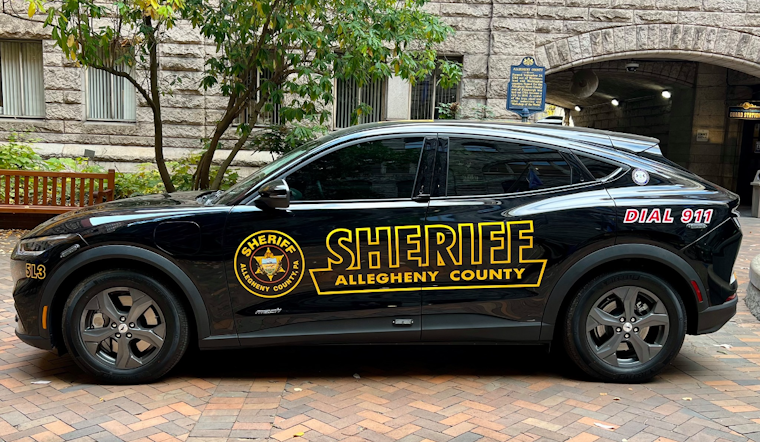
A Pittsburgh nonprofit newsroom is gearing up for round two in a transparency fight with the Allegheny County Sheriff’s Office, after a county judge signed off on keeping the names of hundreds of deputies off public payroll records. The decision landed right as Sunshine Week shines a light on open government, leaving a big chunk of the sheriff’s roster anonymized and setting the stage for an appeal.
As reported by Public Source, Allegheny County Court of Common Pleas Judge Daniel D. Regan agreed with the sheriff’s office that it could redact deputies’ names under the personal-security exemption. According to the newsroom, the most recent roster blacked out 93 of 203 deputy names, about 46 percent. The prior year’s list had 155 of 199 names hidden, roughly 78 percent. During testimony, the sheriff’s office acknowledged that fewer than 50 deputies were actively working undercover but argued that many more could face threats if their identities were revealed.
Who Is Taking The Case Up The Ladder
The newsroom plans to challenge Regan’s ruling at the Commonwealth Court level and will be represented pro bono by the Reporters Committee for Freedom of the Press. In its litigation summary, the group lists the case as Wolfson v. Allegheny County and notes that the request centered on an annual payroll roster filed under Pennsylvania’s Right-to-Know Law. The appeal will force the courts to draw a clearer line between officer safety concerns and the public’s right to see who is on the county payroll.
State Law And Earlier Rulings
Pennsylvania’s Right-to-Know Law generally requires that government employee names and salaries be made public, but it carves out a personal-security exemption that can protect undercover personnel. Before the case reached Regan, the state Office of Open Records sided with the county and concluded that the sheriff could redact the names of officers who have performed or could perform undercover work, a position laid out in the Office of Open Records' final determination. That earlier decision shaped how the trial court viewed the dispute and will loom over any analysis by the Commonwealth Court.
Why Transparency Advocates Object
Open-government advocates say that letting nearly half or more of a law enforcement payroll list go nameless undercuts basic accountability for people who are paid with public dollars and carry arrest powers. Public Source has also raised alarms that sweeping redactions make it harder to track deputies’ interactions with federal agents at the county courthouse, an area that has already drawn interest from local legislators and activists. Critics argue that shielding a relatively small number of active undercover deputies should not result in hiding the names of a much larger share of the department.
What To Watch Next
The Commonwealth Court will decide whether Regan interpreted the personal-security exemption too broadly. If the panel reverses his ruling, Allegheny County could be ordered to reveal the names of many more deputies on its payroll records. If it upholds the decision, agencies across Pennsylvania may point to the case in future Right-to-Know Law disputes, effectively widening how far undercover-related redactions can reach. For now, the appeal means the full, named roster of sheriff’s deputies will stay out of public view while the legal fight plays out.




