

























































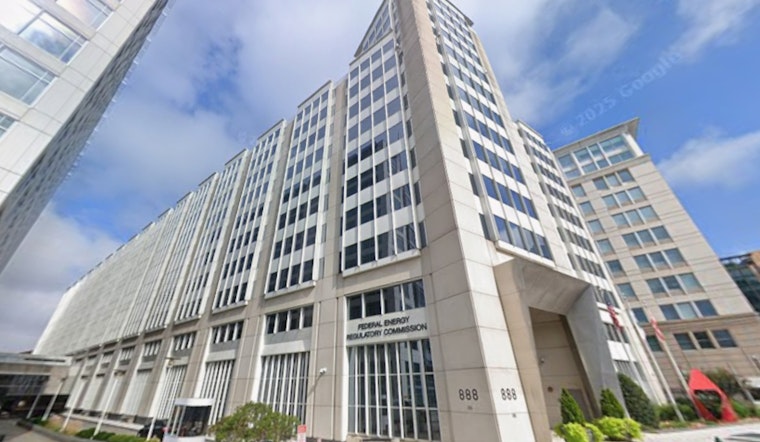
Relief may finally be coming for New England energy customers, as a long-brewing federal fight over profits for transmission companies appears ready to put real money back on the table. Regulators and local reporting say a new order that trims the region’s allowed return on equity for transmission owners could cut what utilities collect and, in turn, lower monthly bills across all six New England states, as per FERC.
On March 19, the Federal Energy Regulatory Commission adopted a new methodology in the consolidated Coakley v. Bangor proceedings and directed New England transmission owners to set a 9.57% base return on equity. The commission’s meeting summary describes the order as granting one complaint, denying others, and locking in the lower ROE as the baseline for transmission rates in ISO New England’s tariff region, affecting transmission charges paid by load-serving entities and ultimately customers, according to FERC.
Local coverage says the change could translate into meaningful refunds for ratepayers. Some reporting estimates potential rebates at roughly $1 billion and anticipates lower monthly bills if utilities flow the money through to customers. As reported by the Eagle-Tribune, the order is expected to limit utilities’ profits on transmission investments and clear a path for both refunds and future bill relief.
The ruling also reaches into the past. Utility disclosures and financial filings note that the order will apply to certain prior periods and requires refunds with interest for affected revenues. PPL Corp., whose Rhode Island Energy subsidiary is one of the New England transmission owners, disclosed that the FERC decision sets a new baseline and that transmission owners are weighing their options, which could include coordinated appeals or rehearing requests, according to reporting and recent utility filings compiled by Investing.com.
How rebates would reach your bill
Refunds ordered by FERC are typically implemented through the regional tariff and market-settlement process, so any credits would move through ISO New England’s settlement system to load-serving entities, then show up in distributor billing or be reconciled in regulatory filings. The ISO’s tariff and market rules spell out how transmission revenues, charges and adjustments are collected and allocated across the region, and that framework is what regulators and utilities will use to sort out the bookkeeping for any ordered refunds. For the fine print on those procedures, see the ISO New England tariff materials on ISO New England.
Legal and industry response
Transmission owners and their trade groups are widely expected to consider appeals or rehearing petitions. Legal analyses of the agenda paper flagged that the case has been litigated in fits and starts for more than a decade, so more procedural moves are likely. Observers note the ruling revisits earlier contested FERC ROE methodology and could trigger follow-up filings at FERC or in federal court as owners, state regulators and consumer advocates sort through the practical fallout, as described in pre-meeting analyses and legal briefings compiled by firms tracking the docket at White & Case.
For customers, the next milestones to watch are specific settlement filings at ISO-NE, any refund reports, and the dockets at state utility commissions where distribution companies will lay out how credits are applied to retail bills. The timing and size of checks or bill credits will hinge on the refund periods FERC ultimately defines and on the follow-up administrative steps taken by the transmission owners and ISO-NE.
We will update this story as utilities, ISO-NE and state regulators file implementation plans and as any rehearing requests or appeals are lodged.


