

























































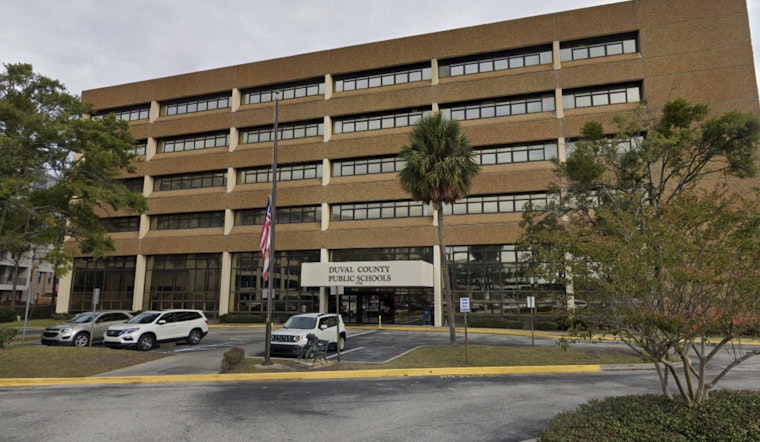
Prayers before public meetings at Duval County Public Schools are now under a national microscope, as civil-liberties groups say the Jacksonville school board is skirting the First Amendment by opening its sessions with what often sound like explicitly Christian invocations.
The board has long listed an "Invocation or Thought of the Day" on its agendas, a tradition critics say frequently turns into sectarian prayer delivered at an official government gathering.
Letters From National Watchdogs
As reported by First Coast News, the Freedom From Religion Foundation sent a formal demand letter to the Duval County School Board on March 13, 2026, and said it had not yet received a response.
The outlet also notes that Americans United for Separation of Church and State sent its own letter on November 25, 2025, raising similar constitutional concerns. When reporters followed up for comment, district offices were closed for spring break.
Both letters argue that the board's routine use of invocation language, along with specific examples of sectarian phrasing, turns what should be neutral public business into what they see as a government endorsement of religion.
How Meetings Start
According to meeting notices and archived agendas from Duval County Public Schools, board sessions typically begin with an "Invocation or Thought of the Day" that comes before the Pledge of Allegiance.
Minutes from past meetings show a mix of student speakers and local clergy stepping up to the microphone, sometimes offering overt prayers and sometimes more general inspirational remarks. That pattern, national groups say, is the key factual basis for treating the practice as official, state-sponsored speech rather than private expression.
What National Groups Argue
The Freedom From Religion Foundation has a long record of challenging government prayer in school settings and regularly tells districts to remove sectarian invocations from public agendas, arguing that federal court decisions are on its side.
As outlined by the Freedom From Religion Foundation, the group contends that school boards are not the kind of deliberative legislative bodies whose opening prayers the Supreme Court has treated differently in past rulings. In its view, existing case law backs the demand that the Duval board drop official prayers from its meetings.
Legal Backdrop
The legal landscape is not exactly light reading, but two Supreme Court cases sit at the center of this fight. In Justia and Justia, the Court imposed limits on school-sponsored prayer at certain student events, decisions that civil-liberties advocates say should inform how school boards handle religion in official settings.
Duval County also has its own history of litigation over graduation and commencement messages, a local backdrop that activists and longtime residents bring up as they argue over what the Constitution allows on school turf.
Local Reaction
In Jacksonville, reaction has largely lined up along familiar cultural and political lines. Some civic and faith leaders defend the prayer practice as a valued tradition. Civil-liberties advocates, on the other hand, call it exclusionary for anyone who does not share the dominant faith or who prefers government meetings to stay strictly secular.
First Coast News reports that the Jacksonville Young Republicans released a statement backing the practice of prayer and urging the community to remain "one nation under God." Local critics counter that the school board should stick to governing and leave religious observance to private life or personal choice.
What To Watch
For now, the showdown is limited to strongly worded letters and public pressure. No lawsuit has been filed, although groups like those involved here often use demand letters as an opening move before heading to court.
If the Duval County School Board chooses not to alter the language on its agendas or change how meetings begin, civil-liberties organizations could seek judicial intervention. The board, for its part, has the option of shifting to a neutral "moment of reflection" that avoids explicit religious content and potentially lowers its legal risk.
Parents, students, and politically engaged residents will be watching upcoming meetings closely, looking for any signs that board leaders plan to stand firm, quietly tweak policy, or invite a judge to make the final call.





