

























































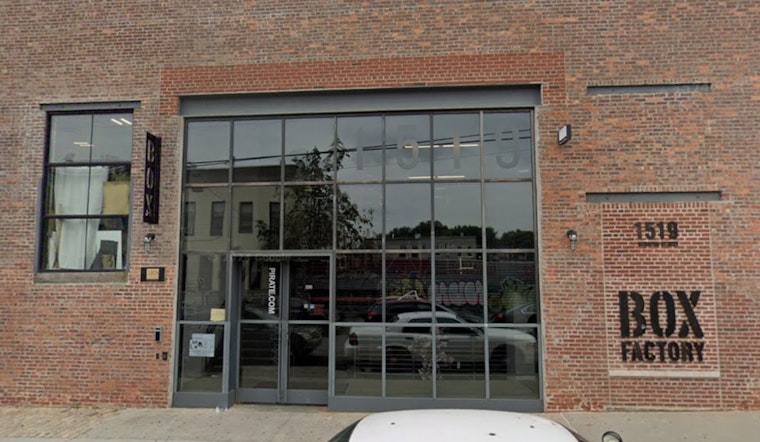
A small Ridgewood atelier that teaches classical, pre-photographic painting techniques has landed a $2 million federal humanities grant, and the windfall is already stirring up a fight over how the National Endowment for the Humanities is spending taxpayer money. The award stands out because Grand Central Atelier is a compact nonprofit with a short staff and roughly 50 students, and the grant would bankroll staffing and public programming at a scale that arts-watchers say is unusual for a school that size.
According to the NEH’s official list of January awards, Grand Central Atelier, Inc. received an outright grant of $2,000,000 for a project titled the Bruce Cole Humanities Initiative. National Endowment for the Humanities records identify the award under the agency’s cooperative agreements and special projects category.
How The Money Would Be Used
The school’s proposal describes the grant as a two-year public-humanities project that would support a public lecture series, studio lectures, a symposium, a digital publication and two postdoctoral fellowships. As detailed by The New York Times, the application’s budget lines include roughly $207,600 for a program of 12 public lectures, about $102,000 for a one-day symposium and $120,000 earmarked for fellowships, along with $174,000 listed for contracted administrative support.
The Times also reports a $930,000 staffing line, which the school says would cover four new two-year positions and a roughly $60,000 allocation for an artistic director, and quotes the atelier’s founder, Jacob Collins, saying “we are an unusual outfit.” If carried out as proposed, the new staff salaries would mark a major expansion of the nonprofit’s payroll and programming capacity.
Why The Award Is Drawing Scrutiny
Observers say the grant’s size and timing matter because these awards are among the first large commitments announced after a shakeup at the agency, and because other big grants in the same round went to projects that critics characterize as aligned with conservative cultural priorities. The Art Newspaper noted that the grants were the first round announced after changes to NEH leadership and the National Council on the Humanities, and flagged the $2 million award to Grand Central Atelier as one of the more surprising large grants.
The school’s founder has also been linked in past reporting with patrons and events inside conservative circles. Reporting on earlier commissions shows that Texas donor Harlan Crow paid for a portrait of Justice Clarence Thomas that, according to campus reporting, was painted by Jacob Collins. Yale Daily News and other outlets have written about that commission, which some critics now point to when assessing Collins’s network and influence.
What The School Says And What Comes Next
Grand Central Atelier describes itself on its website as a nonprofit atelier offering full-time and part-time classical training. Its admissions page lists annual tuition at $13,800 and a student body of about 50. Grand Central Atelier also lists its Ridgewood address and program details that underscore how the grant, if enacted as budgeted, would expand the organization’s public programming and paid positions.
Supporters say the funds would help the school mount public humanities programming that reaches beyond its core classes, while critics say the award highlights how federal cultural dollars can be steered toward projects that reflect the priorities of agency leadership. The NEH award notice identifies the grant and project title, and the full program and hiring plans will unfold if and as the cooperative agreement is finalized.
For now, the grant is both a windfall for a small New York atelier and a lightning rod in broader debates about who benefits from federal humanities funding in a moment of institutional change. Journalists and cultural watchdogs say they will be watching how the NEH and Grand Central Atelier implement the project and whether the promised public programming materializes in the years ahead.




