

























































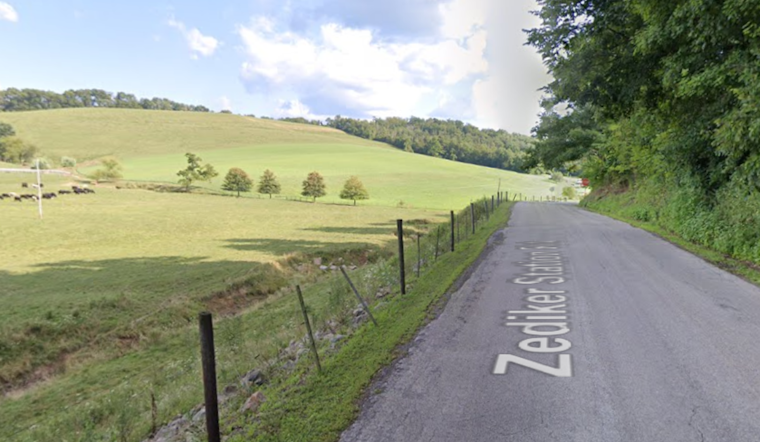
A sprawling 1,500-acre former coal-mine site off Zediker Station Road in South Strabane Township is suddenly the belle of the tech ball, as CNX Resources and commercial real-estate firm JLL shop it to cloud companies and hyperscalers for a potential AI data center campus. The pitch: a huge, power-hungry facility that would run on a mix of traditional pipeline gas and remediated mine gas, marketed as a low-carbon combo. So far, though, no tenant has stepped forward publicly, and the idea is already stirring debate over zoning, utilities, and what this would mean for the surrounding community.
According to JLL, the Zediker Station property totals about 1,500 acres, roughly 400 of which are considered buildable. The site sits near high-capacity pipeline and water infrastructure that marketers say could support hyperscale data operations. JLL is also playing up geography, noting the land is about 20 miles southwest of Pittsburgh and roughly in the corridor between major data-center markets in Northern Virginia and Columbus, Ohio.
What CNX and partners are pitching
As reported by the Pittsburgh Business Times, CNX Resources is centering its sales pitch on remediated mine gas, or RMG. That methane is captured from coal-mine ventilation systems, upgraded to pipeline quality, and then used as fuel instead of being vented. Company materials and partners argue that blending this RMG with conventional shale gas could provide near-net-zero electricity for a data center by putting methane that would otherwise be wasted to work on site.
Jobs and community tradeoffs
Supporters are talking up potential employment, especially for union labor, if the project moves forward. Washington County Commissioner Nick Sherman has estimated that a data center of this scale could generate roughly 300 to 400 union construction jobs, according to the Herald-Standard. Some neighbors and township planning officials, however, are already voicing concerns about traffic, constant noise, around-the-clock lighting, and the broader industrialization of what has been relatively rural land.
Energy, water and environmental tradeoffs
The International Energy Agency has warned that AI-heavy hyperscale data centers can be enormous power users. A single large facility can draw as much electricity in a year as about 100,000 households, and the largest new campuses may require significantly more, according to the IEA. Analysts and local reporting also note that big data centers typically demand large amounts of water for cooling and can put pressure on local electric grids and municipal services, which makes siting decisions and utility planning central pieces of any approval process.
How remediated mine gas figures in the pitch
CNX and its marketing partners point to lifecycle analyses and market programs that classify upgraded mine gas as a low-carbon fuel option. An Anew Climate-CNX announcement cites Argonne-model inputs that place RMG in a very low carbon-intensity category. CNX has also promoted public monitoring tools and a transparency dashboard as parts of its environmental and community engagement strategy for projects tied to RMG, presenting this as a way for residents and officials to track impacts in real time.
Local rules and the near-term timeline
South Strabane Township officials have begun drafting a data-center ordinance and have already sat through hours of public comment as they try to get rules in place before any formal application lands on their desks. The township scheduled a public hearing on the draft ordinance for March 19, 2026, according to the Herald-Standard. With no data-center tenant yet identified, the next steps hinge on ordinance adoption, any required zoning changes or permit filings, and whether a hyperscaler ultimately signs a long-term lease or purchase agreement for the land.
For now, Zediker Station remains a high-profile prospect rather than a committed development. CNX and JLL are actively shopping the former mine site and touting the blend of local gas and RMG as a carbon-lean power solution, while residents and township officials sort through the potential economic upside alongside the infrastructure demands and environmental questions that would come with turning a quiet tract of Washington County into a regional AI hub.





