

























































Retailers hungry for space in Raleigh are running into a hard reality: landlords know they have the upper hand, and asking rents are now outpacing the national average in some of the Triangle's busiest corridors. With storefronts in walkable, high-traffic areas nearly spoken for, property owners are treating prime space like a scarce luxury good.
According to a March 6, 2026, report from CoStar, retail asking rents in Raleigh are "soaring compared to the national average" as landlords capitalize on persistently low vacancies, solid demand, and steady retail sales. The same analysis points out that nearby Durham is seeing rent growth too, but at a far more modest pace, creating a clear two-speed dynamic across the Triangle.
Tight Supply Is Leaving Few Options for Small Tenants
Vacancies in the Raleigh-Durham retail market have been hovering at historic lows. Colliers' Q3 2025 report pegged overall vacancy at around 2.4%, with smaller spaces under 10,000 square feet even tougher to find. That crunch has turned neighborhood centers and well-located strip retail into the most sought-after, and most expensive, addresses for tenants trying to get in.
Pipeline Offers Limited Immediate Relief
Developers across the country kept new retail construction in check in 2025, and the Triangle is no exception. Cushman & Wakefield's Q4 MarketBeat shows only a modest construction pipeline in the Raleigh-Durham region: roughly 470,000 square feet underway on a base of 50.5 million square feet. With that kind of thin pipeline and ongoing interest from grocery, discount, and service-oriented tenants, many landlords are in little hurry to trim asking rents and instead are holding firm or nudging prices higher while they wait for more supply to show up.
Durham Remains Softer While Raleigh Tightens
CoStar's look at the region underscores just how different the storylines are on each side of the Triangle. Raleigh's retail fundamentals are described as notably stronger, while Durham's rent growth has stayed positive but muted as fresh multifamily projects and a different landlord mix give tenants relatively more breathing room. That split is helping Raleigh win favor with national chains and food-and-beverage concepts willing to pay premiums for high-traffic stretches.
What This Means for Shoppers, Landlords, and the Outlook
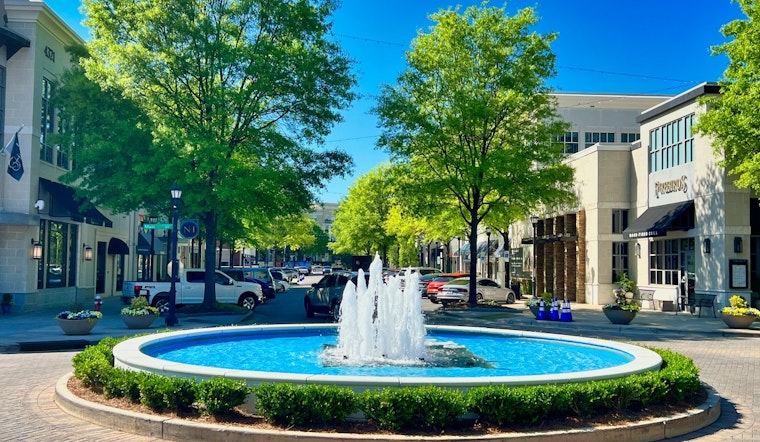
On the ground, developers and brokers say touring and leasing activity is especially strong in fully amenitized pockets like North Hills, where a walkable mix of uses lets landlords command higher retail rents. Kane Realty told Axios that tenant demand in amenity-rich projects has picked up, a sign that retailers are still willing to chase the right location even as costs rise. Cushman & Wakefield's outlook suggests the retail market is heading into 2026 on a relatively firm footing, which could keep the pressure on rents until a more substantial wave of new space hits the market.





