

























































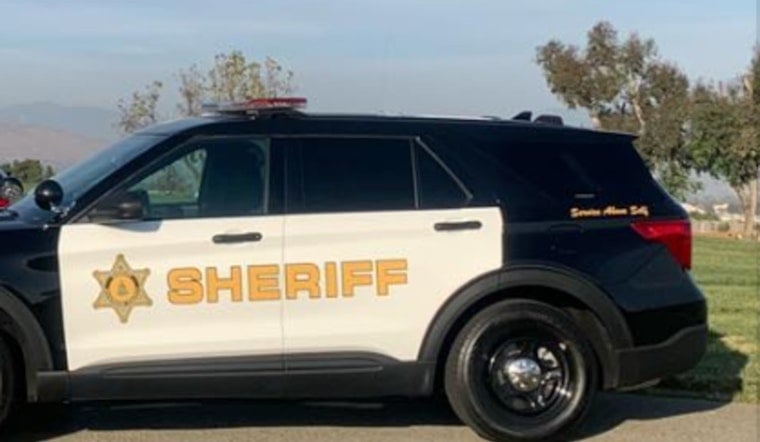
Riverside County deputies are quietly giving some patrol SUVs a serious upgrade, bolting a net-slinging device called the Grappler onto the front bumpers of K‑9 cruisers after a pilot program in 2025. The idea is simple: give deputies a way to stop fleeing vehicles without high-speed PIT maneuvers and without sending uninvolved drivers scrambling for cover. Members of the K‑9 unit say they have already logged multiple successful stops since the system went on their vehicles.
Corporal Brian Conroy told CBS LA that the Grappler is “probably the most effective tool for law enforcement for this that I've seen,” adding that he has deployed it about 10 times in roughly two months. Lt. Jason Santistevan told the same outlet the sheriff's department launched a pilot in 2025 and is now installing Grapplers on all of its K‑9 vehicles, saying the device generally causes less damage than PIT maneuvers and helps cut the risk to the public.
How the Grappler Works
The Grappler mounts on the front bumper of a patrol vehicle and, when an officer activates it, a set of arms extends and fires a heavy‑duty nylon net toward the rear wheel of a fleeing car. Once the net wraps around the axle, a tethered line links the suspect car to the patrol vehicle, slowing and then immobilizing the fleeing vehicle so deputies can back off while it rolls to a controlled stop. According to the device maker, Grappler Police Bumper, the system can be reloaded in minutes and is meant to serve as a lower‑collision alternative to traditional pursuit tactics.
Where It's Being Used
Net‑style bumpers like the Grappler are popping up on patrol cars around the country as agencies look for safer ways to end pursuits. San Joaquin County officials have said their office was the first agency in California to deploy the Grappler in November 2025, according to KCRA, and trade publications and local news outlets have since highlighted demonstrations and real‑world stops in several other states, including examples rounded up by The Drive.
Oversight and Training
Federal analysts list the Grappler among emerging less‑than‑lethal vehicle‑stopping tools and note it is already mounted on more than 1,000 police vehicles nationwide, a level of adoption that has triggered calls for clearer policy rules and data collection, according to a Congressional Research Service brief. Public‑safety researchers and advocacy groups argue that agencies should track how, when, and why the devices are used and adopt written guidelines before broadening deployment, while departments counter that Grapplers are limited to trained, certified operators. Colorado and other state patrols likewise describe the Grappler as a tool for specially trained troopers to use during controlled interventions, not something to pull out in every routine chase.
What It Means For Riverside
For Riverside residents, the rollout adds another non‑collision option for deputies trying to stop violent suspects or bring stolen cars to a halt, even as it raises familiar questions about transparency, reporting, and oversight as the technology spreads. The Riverside County Sheriff’s Office news feed did not list a formal Grappler press release as of this week, though deputies have spoken with local reporters about the pilot program and the plan to keep equipping the K‑9 fleet going forward.




