

























































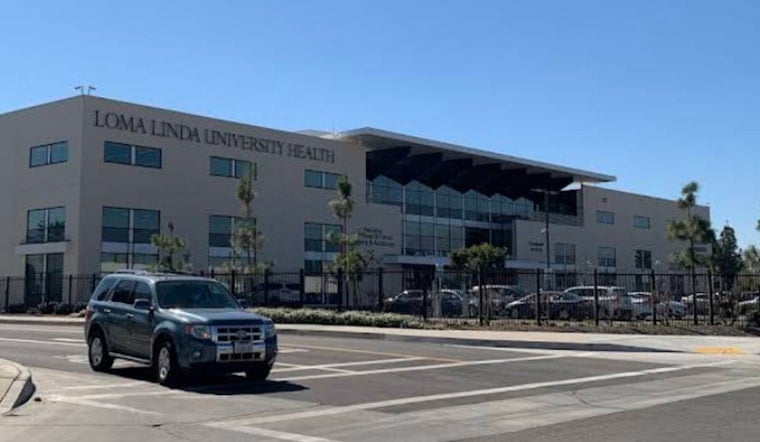
After a multi-year probe that turned hospital trash cans into crime scenes, Loma Linda University Health has agreed to a settlement worth nearly $8 million after inspectors said they found hazardous pharmaceutical waste and confidential patient records tossed into regular landfill-bound garbage at multiple facilities. The civil judgment resolves allegations that the health network mishandled regulated waste and failed to protect patient information properly.
According to the San Bernardino County District Attorney’s Office, the system agreed to a $7.5 million judgment. A prior court order had listed $8.5 million, with $1 million suspended for five years, and the new settlement locks in a permanent injunction and requires Loma Linda University Health to maintain and strengthen a broad compliance program. If the system does not spend $3 million on required compliance measures, prosecutors can move to reinstate the suspended amount.
Inspectors say trash held drugs, batteries and patient files
Inspectors reported "numerous instances" where regulated material showed up in ordinary landfill-bound trash, including hazardous pharmaceuticals, batteries, aerosol cans, medical waste and paper records containing protected health information, as reported by CBS Los Angeles. Prosecutors said inspections covered garbage receptacles at the system’s hospitals and clinics in both San Bernardino and Riverside counties.
Health system says it moved quickly once problems surfaced
Loma Linda University Health told CBS Los Angeles that once leaders became aware of concerns about how waste was being handled, "immediate corrective actions were taken." Those steps included a system-wide overhaul of waste management programs, tighter oversight and new mandatory training for employees and physicians. The District Attorney’s Office said the organization cooperated with investigators and made major changes while the probe was underway.
Penalty breakdown and ongoing oversight
Under the judgment, Loma Linda University Health will pay $7.5 million in total. Of that, $6.75 million is assessed as civil penalties, $500,000 will reimburse investigative and enforcement costs and $250,000 is earmarked for environmental projects, according to the District Attorney’s release. The order also puts a permanent injunction in place that bars future violations of California hazardous waste and medical records laws. The settlement requires the system to maintain and enhance its compliance program and leaves Loma Linda subject to monitoring and potential sanctions if it misses court-ordered benchmarks.
Part of a bigger California crackdown
The Loma Linda case is the latest in a series of high-profile moves by state and local prosecutors to keep hazardous and medical waste, and the sensitive patient data that sometimes rides along with it, out of ordinary landfills. In 2023, prosecutors secured a $49 million settlement with Kaiser Permanente over similar issues, according to the California Attorney General’s Office. Legal analysts say coordinated investigations by district attorneys and the attorney general have turned waste audits and handling of protected health information into must-pass tests for large health systems, per analysis from Jones Day.
What comes next for Loma Linda and its neighbors
Prosecutors and hospital leaders say the focus now shifts to making sure the new rules actually stick: more audits, more reporting and more training aimed at preventing repeat violations. Local residents can expect follow-up compliance reviews from county enforcement teams, but neither Loma Linda University Health nor the District Attorney has suggested the settlement will affect clinical operations. Both sides have stressed that the immediate goal is to tighten waste segregation, secure record handling and sharpen staff oversight in order to better protect public health and patient privacy.





