

























































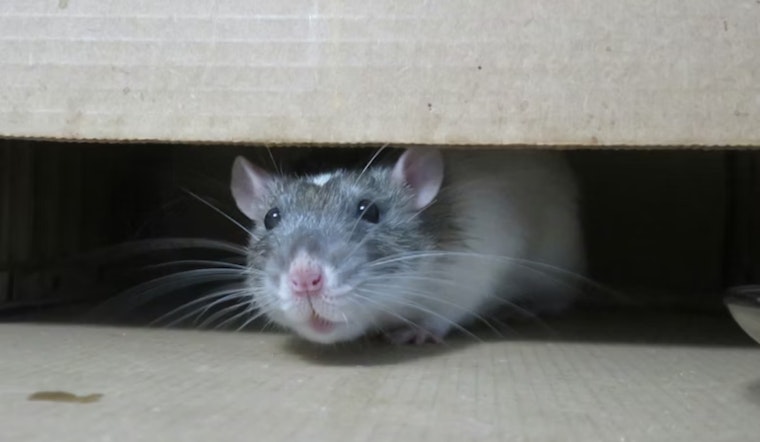
Rodents, dead roaches and some stomach-turning smells turned up in Tarrant County’s latest round of restaurant inspections, where a few kitchens had problems so serious they paused operations to clean up. Between pests and basic breakdowns in plumbing or hot-water supply, several food businesses landed on the county’s radar from March 1 to 14, with Candy Chips & More in Hurst and No 1 Chinese Restaurant in Forest Hill among those drawing the sharpest scrutiny.
Inspection roundup
The latest inspection data, compiled by the Fort Worth Star-Telegram, covers 289 checks across Tarrant County during the March 1 to 14 window and details a string of violations. At Candy Chips & More, inspectors reported rodent feces on shelves, a heavy smell of rodent urine and missing floor drains, and the business scored an 88. No 1 Chinese Restaurant fared worse, with a score of 64 and citations for living and dead roaches in multiple areas plus a dead rodent found on a sticky trap.
Other problem spots included Mamacitas Sports Bar, where a dead roach was observed beneath an ice machine, resulting in a score of 79, and a convenience store that briefly closed when inspectors found there was no hot water. According to the Star-Telegram summary, many of the businesses with violations took corrective steps and were able to reopen after addressing the issues.
How county inspections work
Tarrant County Public Health uses a 100-point system to score restaurants, bars, convenience stores and other food businesses, and it posts those scores in a public, searchable online database. The county handles inspections for most cities within its boundaries, while larger municipalities such as Fort Worth and Arlington run their own programs, so not every local eatery appears in the county records.
According to Tarrant County Public Health, inspectors document a wide range of issues, from plumbing failures and sanitation lapses to any sign of pest activity, then factor those violations into the overall score.
Why pests matter
Rodents and cockroaches are not just a gross-out factor in a kitchen. They can contaminate food and food-contact surfaces with pathogens or filth, and federal food-safety rules treat that kind of contamination as a serious violation. Past Food and Drug Administration inspections and warning letters show that evidence such as live pests, droppings or nesting material can trigger regulatory action and force businesses to discard exposed products.
In other words, a dead roach under an ice machine or rodent feces on a shelf is more than an unpleasant detail. As reflected in prior Food and Drug Administration enforcement records and warning letters, those findings can indicate real public-health risks that regulators are expected to address quickly.
What comes next
When inspectors document pests or other critical violations, standard cleanup steps typically include throwing out exposed food, bringing in a licensed pest-control company, and doing a deep scrub of affected areas before asking for a reinspection. Under county rules, operations that receive low scores must pass a follow-up visit before returning to full service.
Many of the businesses in this March inspection round were cleared after completing those corrective actions, according to Tarrant County Public Health. For diners who want a closer look at where they are eating, the county’s online database lists recent scores along with violation details, giving customers a way to double-check a restaurant’s record before sitting down or ordering in.
For residents, the latest report is a reminder that even familiar spots can end up on the wrong side of an inspection, and that issues like plumbing failures and pest activity usually top the list of immediate health concerns. The follow-up inspections are how officials make sure the cleanup sticks and that kitchens are back to meeting basic safety standards before the crowds return.





