

























































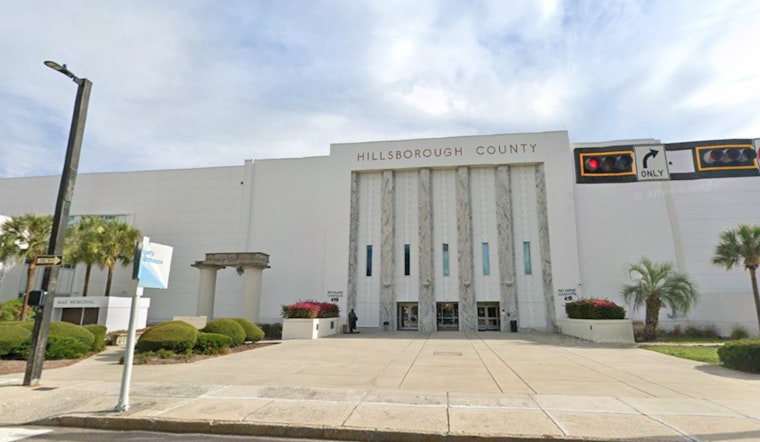
A Tampa man is now facing a murder charge after investigators say a Ruskin resident died from a fentanyl overdose, and digital breadcrumbs may be what ties him to the scene. Court filings describe detectives pulling cell phone and other electronic records to place the man with the victim around the time of the fatal dose, part of a growing wave of Tampa-area prosecutions that treat deadly fentanyl sales as homicide under Florida’s drug-death laws.
According to reporting by the Tampa Bay Times, the murder count is spelled out in recently filed court papers. Those documents, the paper notes, outline how investigators leaned on cell data and related digital records to link the suspect to the Ruskin man shortly before his overdose death.
What the charge means under Florida law
Florida law lets prosecutors charge murder when someone unlawfully distributes certain controlled substances, including fentanyl, and that drug use is proven to be the proximate cause of a person’s death. State legislators doubled down on that approach with a 2025 measure that clarified and expanded Florida’s power to treat lethal fentanyl distribution as homicide. Records from the Florida Senate show the law took effect on July 1, 2025.
Local precedent
Hillsborough prosecutors have already tested that strategy in front of a jury. In 2024, a defendant was convicted of first-degree murder after jurors concluded he supplied the fentanyl that caused a man’s death. Coverage by the Tampa Bay Times highlighted the verdict as a signal that fatal-distribution cases can reach Florida’s highest felony level.
How this fits broader overdose trends
Nationally, federal overdose data suggest the overall death toll has finally started to bend downward after several brutal years, although fentanyl still accounts for most fatal overdoses. Provisional 2024 figures published by the CDC show a notable year-over-year decline, even as public health officials warn that synthetic opioids remain a serious threat in communities like the Tampa Bay region.
Next steps in the case
The charging documents have been filed in county court, and the case is expected to move next to arraignment, followed by a series of pretrial hearings. Future court dates, bond rulings, and new filings will be posted to the Hillsborough County Clerk’s online case system, known as HOVER. The Hillsborough Clerk maintains those public dockets.





