

























































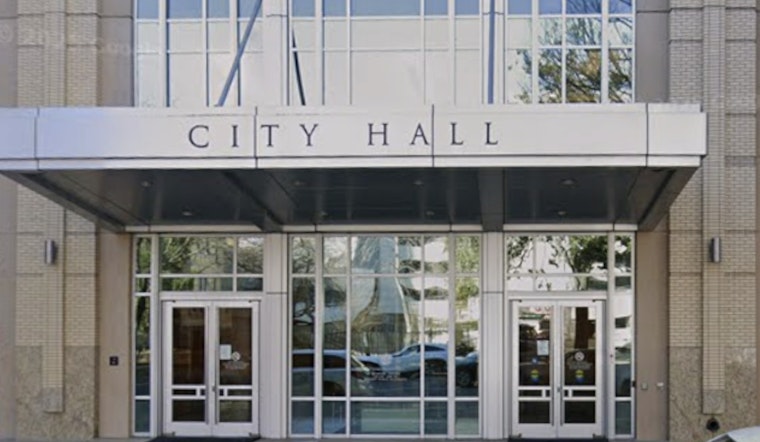
Sacramento is again flirting with the idea of charging owners who sit on empty lots and boarded-up buildings, hoping a hit to the wallet will finally turn blighted parcels into housing and storefronts. The concept is back before the City Council’s Law and Legislation Committee, where staff has outlined options that range from a new fee or tax to a full-blown ballot measure. Backers say the revenue could help pay for affordable housing and cleanup. Skeptics warn it could spook small investors and stall the very development the city says it wants.
Staff recommends polling and draft ballot language
City staff is asking the committee to authorize more voter polling, community outreach, and draft ballot language for a possible vacant property tax, according to a City of Sacramento staff report. The document lays out two parallel paths: a special vacant property tax, and an expanded monitoring and enforcement program for vacant lots and buildings. Staff wants to test different tax structures, carve-outs, and spending plans, then return to the full council with proposed ballot wording and a more detailed outreach strategy.
Local pushback at committee hearings
Not everyone at City Hall is cheering the idea. Property owners and neighborhood leaders have pushed back at recent committee hearings, arguing that new fees could punish people who are already trying to sell or build. As reported by KCRA, Stockton Boulevard Business Partnership leader Frank Louie told councilmembers the proposal “does not make economic sense” and urged them to focus on incentives and faster permitting instead of another levy. Several business groups also questioned how costly and complicated it would be for the city to run a whole new program.
What rules and fees already exist
Sacramento already has a Vacant Lot Program on the books. Owners of undeveloped parcels must register every year and pay a 70 dollar program fee, and lots that qualify as nuisance properties can be hit with monitoring charges. Those nuisance parcels may face monthly monitoring fees and administrative citations, with the program aimed at curbing illegal dumping, overgrown weeds, and fire hazards. Staff is proposing to tighten that enforcement system while also studying how any separate vacancy tax would mesh with existing rules, according to city materials from the City of Sacramento.
Polling shows limited but growing support
Early polling suggests the idea has more fans than foes, but not enough to clear the high legal bar for a special tax. Voter testing cited in the staff materials found roughly 57 percent initial support, short of the two thirds needed for approval, according to City of Sacramento polling. One scenario presented voters with steep annual rates, 3,000 to 10,000 dollars per parcel depending on size, and found that positive messaging could nudge support up, though not consistently into supermajority territory. Staff concluded that a serious public education push and further polling would be required before a November ballot attempt would be worth the risk.
Precedents and pitfalls from nearby cities
Sacramento would not be the first city to try this, and the regional track record is mixed. Oakland voters passed a vacant property tax that brought in money for homelessness programs, but it also spawned a thicket of exemption rules and higher implementation costs. San Francisco has wrestled with vacancy charges for commercial spaces. Reporting in the San Francisco Chronicle notes that such measures can trigger legal challenges and bureaucratic headaches long after election night. Sacramento staff said they looked closely at those examples while shaping local options.
What it would take to pass
If structured as a special tax, a Sacramento vacancy tax would likely need roughly two thirds of city voters to say yes in order to take effect, a threshold staff calls one of the biggest strategic hurdles. Supporters argue that a dedicated tax could unlock new funding for affordable housing and blight cleanup. Opponents counter that the exemptions would have to be generous enough to avoid hammering small property owners who are not intentionally keeping land idle. That political math, a clear majority that falls short of a supermajority, is why staff is urging more polling and outreach before settling on final ballot language.
For now, the proposal remains parked with the Law and Legislation Committee. Staff will keep talking with voters, refining potential tax models, and stress testing whether the numbers work. City councilmembers could see draft ballot language or a proposed election timeline next year if additional polling shows stronger support, according to KCRA.



