

























































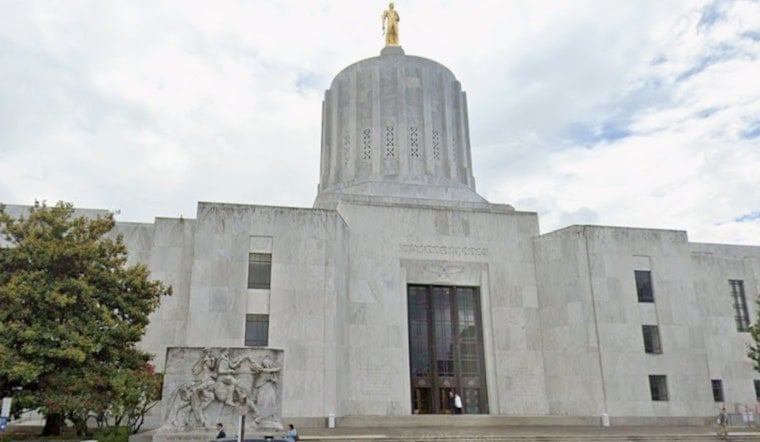
Oregon lawmakers have signed off on a bill that would stop law enforcement officers in the state, including federal immigration agents, from hiding their faces while on duty and would require them to wear clear identification such as names or badge numbers. The measure, House Bill 4138, is part of a wider Democratic push to resist recent federal deportation operations and bolster protections for immigrant communities. The bill now heads to Gov. Tina Kotek for a signature.
“When someone has the power to stop you, you deserve to know who they are,” Sen. Wlnsvey Campos, D‑Aloha, told colleagues on the Senate floor, according to Oregon Public Broadcasting. Backers say the proposal is about basic transparency and making sure people who are stopped or questioned can tell which agency is confronting them.
As laid out in the bill text on the Oregon Legislative Information System, HB 4138 would require on-duty officers to wear uniforms that clearly show either a last name or a unique identifying number, the name of their employing agency and an officially issued badge. The bill sharply limits facial coverings that “conceal a person's identity,” while carving out specific exceptions for undercover work, tactical response teams such as SWAT, extreme weather and health or safety needs. It also allows people to seek injunctive relief if agencies do not follow the new identification and masking rules.
Debate in the Senate was brief and partisan. No Republican lawmakers voted for the bill, though two spoke against it. Sen. Fred Girod, R‑Silverton, told colleagues, “I'm done with the 'I hate police' bills,” while Sen. David Brock Smith warned the policy risked “demonizing” public safety, according to Oregon Public Broadcasting. Supporters counter that the exemptions are specifically written to protect officer safety while curbing routine anonymity during everyday encounters with the public.
Oregon's move follows a similar effort in California, where lawmakers passed masking and identification rules of their own and the federal government quickly challenged those statutes in court. A federal judge in Los Angeles later blocked enforcement of the mask prohibition as applied to federal officers but allowed the identification requirements to stand, according to court filings on Justia. That California case offers an early preview of the constitutional fight that could surface if Oregon's bill becomes law.
Legal questions ahead
HB 4138 carries an emergency clause and specific compliance deadlines that sponsors say are meant to speed protections for communities that see heavy federal enforcement activity, according to the bill text on the Oregon Legislative Information System. The act requires agencies to publish policies on facial coverings and identification and sets timelines for adopting those policies, opening the door to court review if deadlines are missed.
Legal observers will be watching how federal preemption arguments play out and whether courts treat a broad statewide rule that applies to every officer differently from a law that singles out federal agents. Those distinctions could shape any challenge that follows.
What's next
The bill now sits on Gov. Kotek's desk. If she signs it, law enforcement agencies will be required to publish their policies and comply with the identification rules within the implementation windows laid out in the measure. Supporters, including the ACLU of Oregon, call HB 4138 the Law Enforcement Accountability and Visibility Act, or LEAVA, and say it would “build a firewall” between state and federal actors while providing injunctive and civil remedies for violations, according to the ACLU's summary of the bill.
Opponents argue that the policy raises real safety concerns for officers and could trigger more litigation. Backers say it will cut down on fear and confusion during enforcement encounters and give residents a clearer path to accountability. With California's lawsuit still winding through the courts and fresh federal challenges likely, Oregon's HB 4138 may get its own test in front of a judge even after the ink is dry on a gubernatorial signature.





